Easy Swaps for a Healthier Home
April 11, 2026
What is Muscle Guarding?
April 29, 2026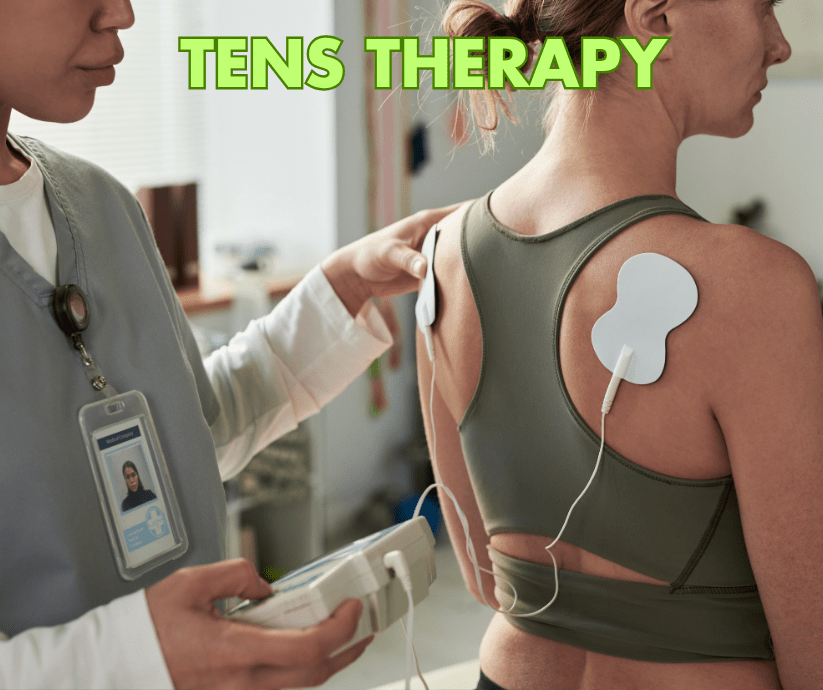
TENS Therapy
Pain is often a defining part of life after a car accident fluctuating without warning and interfering with daily tasks. During recovery, many patients are presented with a variety of treatment options. One common and effective method is a TENS unit, or Transcutaneous Electrical Nerve Stimulation. This device offers a non-invasive approach to pain management and is supported by an abundance of scientific research. Dr. Deryk Harting of Chambers Medical Group, one of the highest rated car accident medical doctor care teams in Florida, explains TENS therapy.
A TENS unit works by transmitting low-voltage electrical currents through electrodes placed on the skin. These currents stimulate superficial sensory nerves and help reduce pain through two primary mechanisms. The first is based on the gate control theory of pain, developed in the 1960s. According to this theory, non-painful stimuli (like electrical impulses from a TENS unit) can interfere with or “block” pain signals before they reach the brain. The second mechanism involves endorphin release. Endorphins are the body’s natural pain-relieving neurotransmitters.
The origins of TENS therapy date back to experiments in the 1960s and 1970s focused on nerve stimulation and pain modulation. Early devices were large, limited to clinical settings, and required trained professionals to operate them. As technology advanced, TENS units became smaller, affordable, and user friendly. By the late 20th century, they were commonly used in both clinical practice and home care. Today they are available without a prescription.
Small adhesive electrode pads are placed on or around painful areas like the lower back, neck, or shoulders. The device can be adjusted for intensity, frequency, and duration, with sessions usually lasting about 20 to 30 minutes. This flexibility enables patients to customize treatment to their comfort level and needs. The sensation produced is often described as a mild tingling or pulsing.
TENS units are used for a wide range of conditions besides injury recovery. These include chronic neck or back pain, osteoarthritis, muscle soreness, and neurological conditions like sciatica. Chiropractors, medical doctors, and physical therapists frequently incorporate TENS into rehabilitation programs to manage pain and support therapeutic exercises. In sports medicine, they are also used to accelerate muscle recovery.
Despite its benefits, TENS therapy is not a universal solution. Effectiveness varies among individuals, and relief is typically temporary. Correct electrode pad placement and consistent use are key factors for achieving the best results. TENS is most effective when integrated into a comprehensive treatment plan that may include chiropractic, physical therapy, exercise, and other medical interventions.
— This article is written by Deryk Harting, DC, one of the members of Chambers Medical Group’s team of car accident chiropractors who offer a variety of treatments and therapies ranging from diagnostic testing to various soft tissue therapies for car accidents and injuries in Florida.