Tens Therapy
April 29, 2026
Summer Driving in Florida – Be Careful
May 1, 2026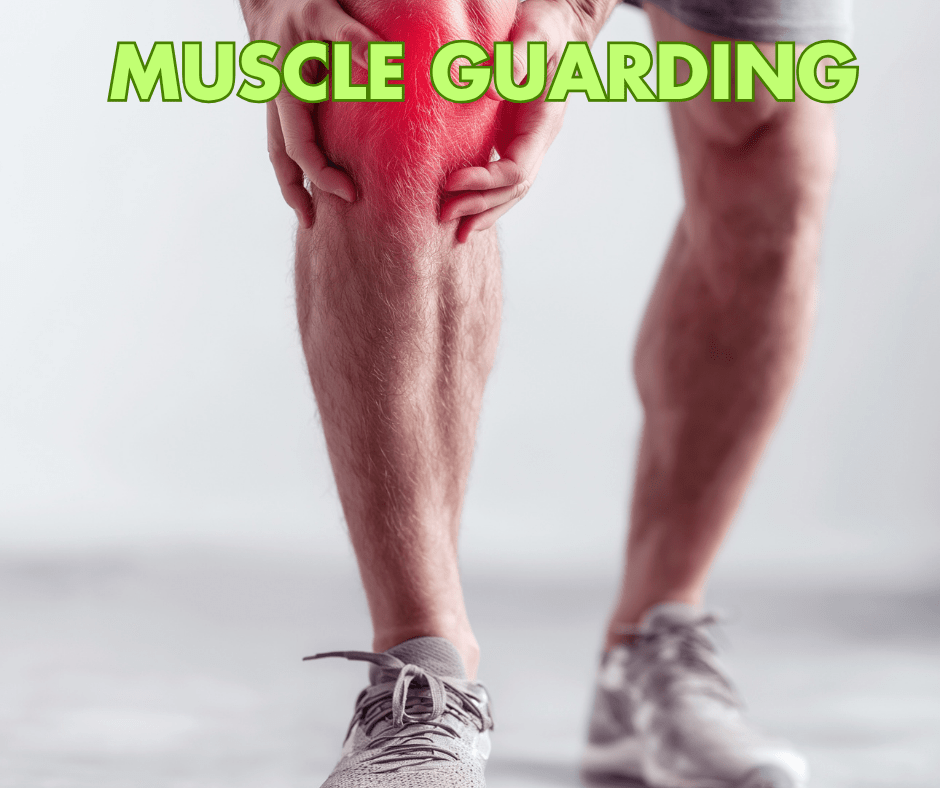
Muscle Guarding
Muscle guarding is a common and important response that often follows a car accident injury. The term refers to an involuntary contraction of muscles surrounding an injured area. This response is protective in nature, but it can also cause pain, stiffness, and decreased mobility. Dr. Deryk Harting of Chambers Medical Group, one of the highest rated car accident medical doctor care providers in Florida, discusses muscle guarding.
The spine is supported by several layers of musculature. Superficial muscles such as the trapezius and latissimus dorsi generate large movements. Deeper muscles, including the erector spinae and multifidus, provide segmental stability. These deep stabilizers are especially important after an injury. They help to maintain alignment of the vertebrae and protect the spinal cord and nerve roots.
Following a car accident, intense forces can sprain ligaments, intervertebral discs, and facet joints. This is commonly seen in whiplash injuries of the cervical spine. Nociceptors, which are pain receptors, detect damage or inflammation and send signals through peripheral nerves to the spinal cord and brain. This initiates a guarding response.
Muscle guarding is mostly facilitated by spinal reflex arcs. When nociceptive (pain) signals reach the spinal cord, interneurons activate alpha motor neurons. These motor neurons cause nearby muscles to contract. This process occurs without conscious control and can happen within milliseconds. The goal is to immobilize the injured segment and protect them from further damage.
However, prolonged guarding can become problematic. Sustained muscle contraction reduces blood flow to the affected tissues. This can lead to ischemia and increase by-products like lactic acid. These changes increase pain and continue the cycle of guarding. Over time, the nervous system becomes more responsive to stimuli. Pain signals are amplified, even when there is no more ongoing tissue damage. This can make muscle guarding persist beyond the acute phase of injury.
While spinal muscle guarding is common, other regions are often involved. For example:
- Cervical injuries can lead to guarding in the shoulders and upper back.
- Thoracic injuries can affect rib muscles and breathing patterns.
- Lumbar injuries often involve the hips and glute muscles.
Clinically, muscle guarding is assessed through palpation and movement testing. The affected muscles often feel tight and difficult to stretch. Patients may also have limited or reluctant range of motion. Treatment focuses on reducing pain and restoring normal muscle function. This may include chiropractic care, physical therapy, manual massage techniques, and therapeutic exercises. In some cases, medications are used to manage pain and inflammation.
Muscle guarding is a protective but complex response to an injury after a car accident. It involves coordinated interactions between the musculoskeletal and nervous systems. While it serves an immediate purpose, persistent guarding can hinder recovery, making evaluation and appropriate management essential for optimal outcomes.
— This article is written by Deryk Harting, DC, one of the members of Chambers Medical Group’s team of car accident chiropractors who offer a variety of treatments and therapies ranging from diagnostic testing to various soft tissue therapies for car accidents and injuries in Florida.