What is Muscle Guarding?
April 29, 2026
Protein Supplements Explained
May 12, 2026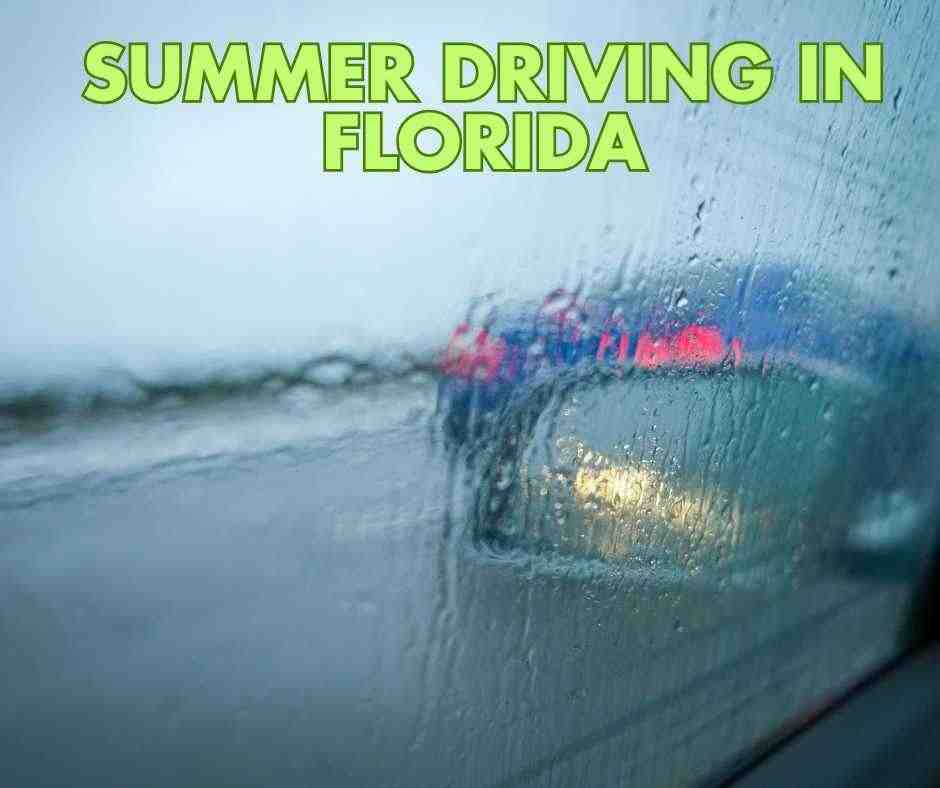
Summer Driving in Florida
Summer driving in Florida presents risks that require extra attention. Heat, thunderstorms, and heavy vacation traffic can turn routine trips into dangerous situations. Wet roads increase the risk of hydroplaning, while congestion raises the chance of collisions. According to the American Automobile Association (AAA) and the National Highway Traffic Safety Administration (NHTSA), these seasonal factors contribute to higher crash rates and more severe injuries. In fact, summer is often referred to as the “100 Deadliest Days” due to a rise in fatal crashes, especially among younger drivers. Dr. Deryk Harting of Chambers Medical Group, one of the highest rated car accident medical doctor care providers in Florida, discusses summer driving in Florida.
One of the most important recommendations is to avoid risky driving behaviors. Speeding, distracted driving, and impaired driving are leading causes of crashes. AAA reports that speeding contributed to 29% of traffic fatalities in recent data and texting drivers are up to 23 times more likely to be involved in an accident. The NHTSA also recommends drivers to stay focused, obey speed limits, and never drive under the influence. Even momentary distraction can have severe consequences.
Vehicle preparation and maintenance are both critical factors. High temperatures can strain engines, degrade batteries, and increase the risk of tire blowouts. The Florida Department of Highway Safety and Motor Vehicles recommends regular tire inspections, maintaining correct inflation, and checking windshield wipers and headlights for optimal visibility. Underinflated tires, in particular, can overheat and blow out at highway speeds.
Monitoring the weather is also important for summer driving in Florida. Intense afternoon thunderstorms are common and can severely reduce visibility. Drivers should slow down, increase following distance, and avoid sudden lane changes on wet roadways. Driving through flooded areas is also advised against, as water can hide hazards or debris, cause roadway damage, and reduce traction. The NHTSA reports that as little as 6 inches of water can cause a driver to lose control, while 12 inches of moving water can carry away a small car.
Wearing a seatbelt remains the easiest and most effective way to enhance safety and prevent serious injury. Seatbelts can reduce the risk of death or injury by nearly 50%, yet many fatalities still involve unrestrained passengers. According to AAA, a significant portion of traffic fatalities were not wearing seatbelts, especially during nighttime hours when seatbelt use tends to drop. This becomes more relevant during summer when more people are driving at night for travel and recreation.
Finally, drivers should be mindful of the increase in teen drivers during summer months. During summer break, more inexperienced drivers are on the road. Data shows that over 30% of teen-related crash deaths occur between Memorial Day and Labor Day. Parents and guardians are encouraged to model safe driving and establish clear expectations in regard to wearing a seatbelt, reckless driving, and cell phone use.
In summary, safe summer driving in Florida requires preparation, awareness, and responsible decision making. By following guidance from organizations like the AAA and NHTSA, drivers can maximize their safety on every trip, no matter the occasion or distance.
— This article is written by Deryk Harting, DC, one of the members of Chambers Medical Group’s team of car accident chiropractors who offer a variety of treatments and therapies ranging from diagnostic testing to various soft tissue therapies for car accidents and injuries in Florida.