Post Trauma Dizziness and Vertigo
August 5, 2025
Therapeutic Ultrasound
August 5, 2025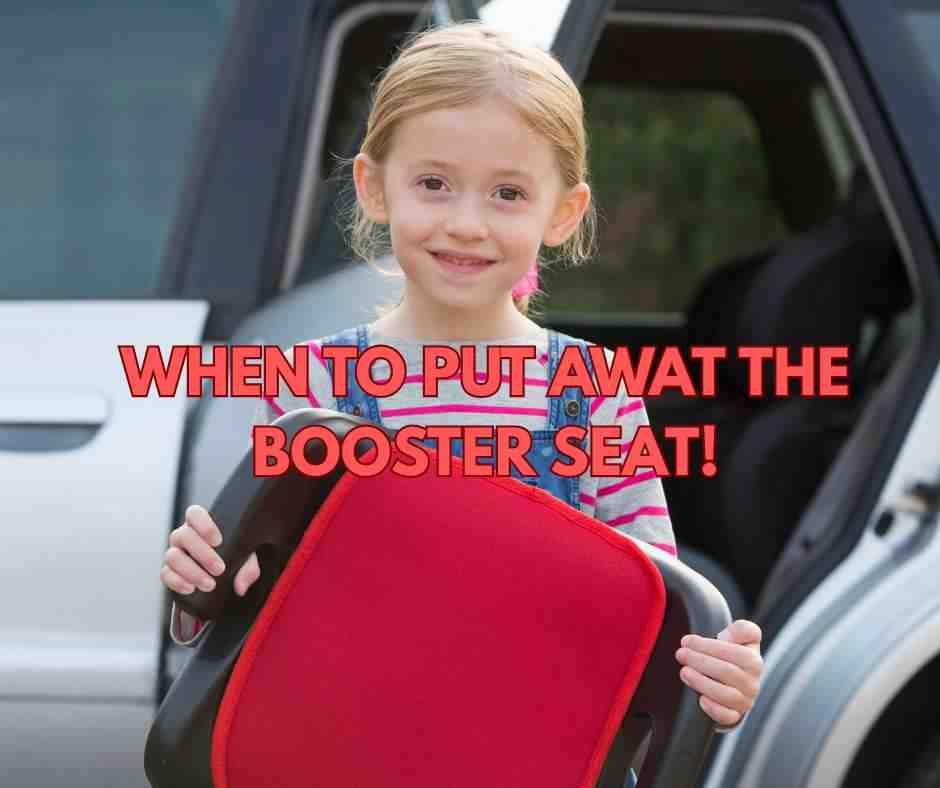
When To Put the Booster Seat Away
Transitioning your child from a booster seat to a regular seat belt is a big step in growing up, but how do you know when to put the seat away? In Kentucky, the law sets clear guidelines, but every child develops differently, making it more than just about age or height. A parent might wonder if their tall 8-year-old is ready, but it can be a little more difficult than just going by the numbers. Dr. Aaron Workman of Chambers Medical Group, one of the highest rated car accident medical care providers in Kentucky, discusses when to make this change, what Kentucky law requires, the penalty for noncompliance, and the best way to make sure your child is ready.
- Kentucky Law
According to the National Safety Council, in 2023, 555 child occupants under 13 died in MVAs, with 190 unrestrained and many others improperly restrained. In Kentucky, children must use a booster seat until they are at least 8 years old or taller than 57 inches. Kids under 40 inches need a car seat, while those between 40 and 57 inches and under 8 must be in a booster. Once a child hits 57 inches or turns 8, they can switch to a seat belt, but the law emphasizes proper fit. This rule aims to protect kids, especially given that 41% of booster seats are misused, often increasing injury risk.
- Penalty
If you are not doing this properly, the booster seat law can lead to a $30 fine with no court costs. If you find yourself pulled over and your child is not properly restrained, you are likely to face this penalty. If it is your first violation, there is an option to buy a federally approved booster seat and show proof to dismiss the charge, which helps assure compliance.
- Best Practices for Transition
Even if a child is 8 years old, or over 57 inches, you still must make sure the move is safe for your specific child. Check the fit of the seat belt. The lap belt should sit low across the upper thighs, not the stomach, and the shoulder belt should cross between the neck and arm, not the face or off the shoulder. Your child must sit with their back against the seat, knees bent naturally at the edge and stay upright without slouching over. Experts suggest waiting until 4 feet 9 inches for a safe fit, even if legally allowed earlier.
- Extra Guidance
Age and height are some important parts according to the law, but true safety takes a little more effort. A child’s ability to sit correctly matters too. Your child should be mature enough to sit correctly and not squirm around, laying down, moving their restraints around and doing things a child will typically do. Some kids may need a booster past 8 to account for where they are in maturity.
- Patience
This is not something to be rushed as the transition can increase injury risk if not approached correctly. Stats from the CDC show that in 2022, 35% of child passenger deaths were unrestrained. It is important to make sure they stay in the proper positions and keep them in the back seats away from airbags until they are older. Just keep an eye on their growth, and when the time is right you can feel confident in a safe and smooth transition.
Knowing when to move your child from a booster seat can be a little tricky but also has guidelines. The State of Kentucky says they should be at least 8 years old or 57 inches tall and will come with a $30 fine for noncompliance. It is best to research properly so your children can be moved when their body fits into the specific vehicles seat properly. If you have any doubt about what you should do, you can seek expert help from your pediatrician. You can start with short trips to test readiness, adjust as needed, and keep boosters handy if you change vehicles frequently. This approach keeps your child safe on every ride.
— This article is written by Aaron Workman, DC, one of the members of Chambers Medical Group’s team of car accident chiropractors who offer a variety of treatments and therapies ranging from diagnostic testing to various soft tissue therapies for car accidents and injuries in Kentucky.