Protein Supplements Explained
May 12, 2026
Delayed Pain After a Car Accident and What to Do in the First 72 Hours
May 23, 2026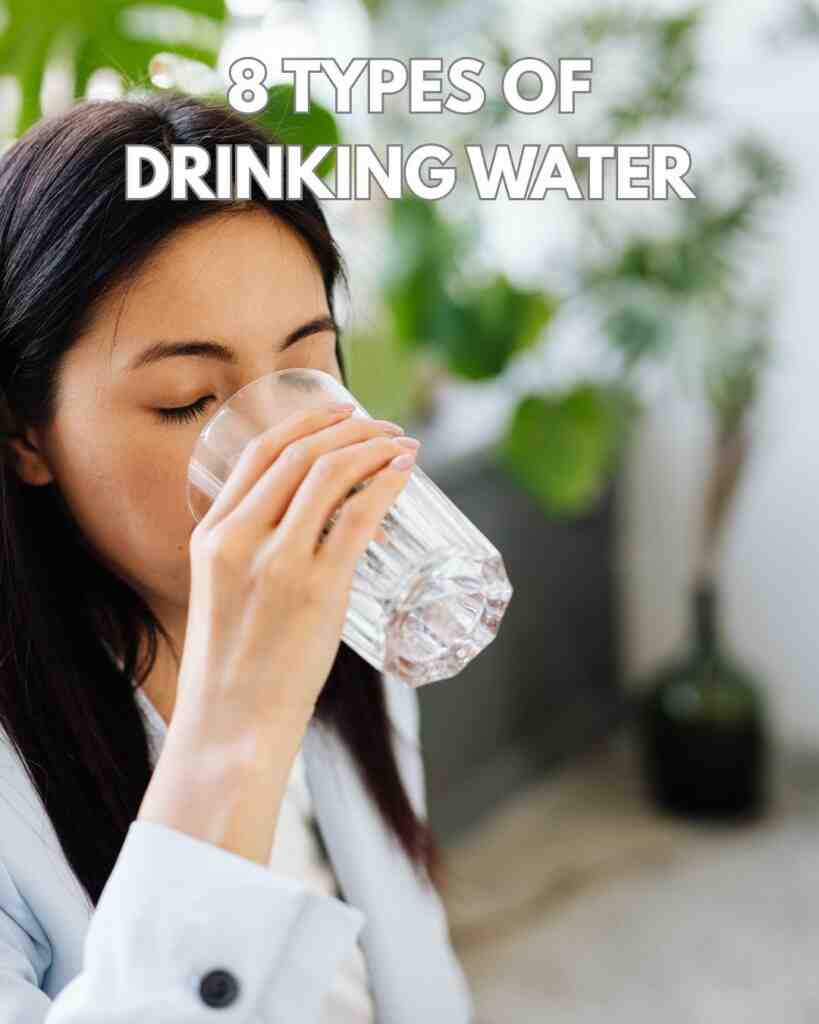
Water comes in many forms today. Grocery store shelves are filled with options that claim better hydration, improved taste, or other added health benefits. Yet most types of drinking water serve one purpose: hydration. The differences usually come down to mineral content, processing methods, carbonation, or marketing. Dr. Deryk Harting of Chambers Medical Group, one of the highest rated car accident medical doctor care teams in Florida, discusses the pros and cons of eight common water types.
8 Types of Drinking Water
Water comes in many forms today. Grocery store shelves are filled with options that claim better hydration, improved taste, or other added health benefits. Yet most types of drinking water serve one purpose: hydration. The differences usually come down to mineral content, processing methods, carbonation, or marketing. Dr. Deryk Harting of Chambers Medical Group, one of the highest rated car accident medical doctor care teams in Florida, discusses the pros and cons of eight common water types.
- Tap Water: Tap water is the most common and affordable option. It is regulated and tested for safety in the United States.
Pros
- Inexpensive and widely available
- Often contains beneficial minerals like calcium and magnesium
- Environmentally friendly
Cons
- Taste can vary by region
- May contain trace contaminants, chlorine, or old pipe residue
- Some people dislike the odor or flavor
Health Considerations: Most municipal tap water is safe to drink. Home filtration systems can improve taste and reduce certain contaminants.
- Spring Water: Spring water comes from underground sources and is often bottled at the source.
Pros
- Naturally contains minerals
- Fresh and clean taste
- Less processed than some bottled waters
Cons
- More expensive than tap water
- Quality can vary between brands or regions
- Bottled packaging creates environmental waste
Health Considerations: Spring water can be a good source of natural minerals. However, consumers should still choose reputable brands with thorough testing procedures.
- Distilled Water: Distilled water is created by boiling water and collecting the condensed steam. This process removes minerals and impurities.
Pros
- Very pure and free of contaminants
- Useful for medical devices and appliances
- Great for situations requiring highly purified water
Cons
- Flat or bland taste
- Lacks beneficial minerals
- Not ideal as the sole long term drinking source for some people
Health Considerations: Distilled water is safe to drink, but it does not provide electrolytes or minerals found in other types.
- Hydrogen Water: Hydrogen water contains added molecular hydrogen gas and is marketed as a wellness product.
Pros
- Promoted for antioxidant properties
- Popular among fitness and wellness consumers
Cons
- Expensive compared to regular water
- Scientific evidence is limited
Health Considerations: Current research is still developing. While generally safe, hydrogen water has not been proven to dramatically improve health for most people.
- Alkaline Water: Alkaline water has a higher pH level than regular water.
Pros
- Smooth taste
- Popular among those seeking acid balance support
Cons
- Often costly
- Health claims are not strongly supported by research
- Some products rely heavily on marketing
Health Considerations: The body naturally regulates pH levels. For most healthy individuals, alkaline water offers little advantage over standard drinking water.
- Sparkling Water: Sparkling water contains dissolved carbon dioxide to create carbonation.
Pros
- Refreshing and flavorful without sugar
- Can help some people drink more water
- Available in many natural flavors
Cons
- May cause bloating for some individuals
- Some flavored versions contain added sodium or artificial sweeteners
Health Considerations: Plain sparkling water hydrates just as well as still water and is a healthier alternative to soda.
- Well Water: Well water comes from private underground wells, usually in rural areas.
Pros
- Independent water source
- Naturally mineral rich
Cons
- Requires regular testing and maintenance
- May contain bacteria, heavy metals, or contaminants
- Quality can change over time
Health Considerations: Well water safety depends on testing and system maintenance. Annual water testing is recommended.
- Purified Water: Purified water undergoes filtration processes such as reverse osmosis, carbon filtration, or deionization.
Pros
- Removes many contaminants and impurities
- Consistent taste
- Widely available in stores
Cons
- May remove beneficial minerals
- Can be expensive when purchased in bottles
Health Considerations: Purified water is a reliable choice for people concerned about contaminants. Some brands add minerals back in for taste and balance.
In the end, the best type of drinking water depends on individual priorities. Tap water and purified water are often the most practical everyday choices when considering safety, cost, and accessibility. Spring water appeals to those who prefer a natural mineral taste. Sparkling water is a viable option for people who enjoy carbonation and flavor. Distilled, alkaline, and hydrogen water each serve niche purposes but may not provide significant health advantages for most people. Regardless of the type, staying consistently hydrated is far more important than choosing the “perfect” water.
— This article is written by Deryk Harting, DC, one of the members of Chambers Medical Group’s team of car accident chiropractors who offer a variety of treatments and therapies ranging from diagnostic testing to various soft tissue therapies for car accidents and injuries in Florida.