Supplements for Healing After a Car Accident
April 7, 2026
Tens Therapy
April 29, 2026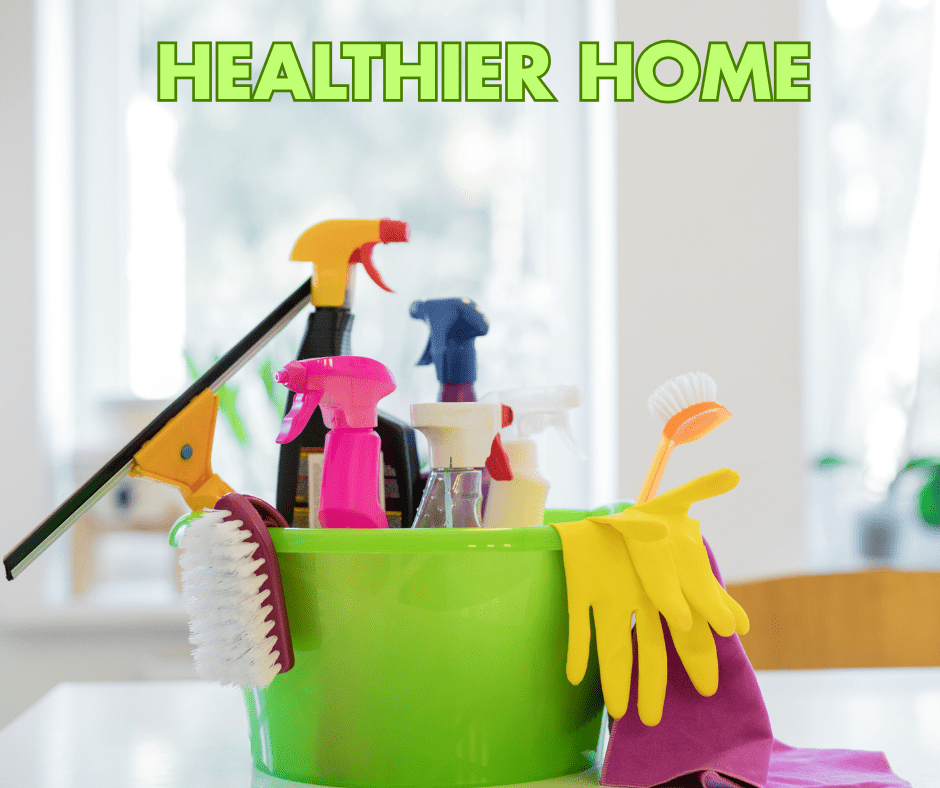
Easy Swaps for a Healthier Home
Making healthier choices at home does not require a complete overhaul. A few simple swaps can reduce exposure to toxic chemicals and save money over time. Products using synthetic fragrances often contain undisclosed chemical mixtures that can cause skin irritation, allergies, or respiratory issues. Many plastics can release compounds such as Bisphenol A and phthalates, especially when heated, which have been associated with hormonal imbalances. Harsh cleaning ingredients and additives can irritate the skin, eyes, and lungs. Preservatives in personal care items or cleaners are used to extend shelf life but can also cause skin sensitivity or allergic reactions in some people. Reducing exposure to these substances by using natural alternatives can create a healthier environment and avoid possible health risks. Dr. Deryk Harting of Chambers Medical Group, one of the highest rated car accident medical doctor care teams in Florida, discusses easy swaps for a healthier home.
- Personal Care
- Synthetic loofah → natural sponge or cloth
Plastic loofahs can hold bacterial growth and shed microplastics over time. Natural alternatives such as ocean sponges, or cotton washcloths are biodegradable and gentler on the skin.
- Liquid body wash → bar soap
Many body washes contain synthetic fragrances and come in plastic packaging. Natural bar soaps use simpler ingredients like plant oils and fats to reduce irritation and environmental waste.
- Plastic toothbrush → bamboo toothbrush
Traditional toothbrushes contribute to landfill waste and bamboo options provide the same function with a compostable handle.
- Disposable razors → safety razor
Disposable razors create continuous waste and recurring costs. Safety razors use replaceable blades, making them more durable, cost effective, and environmentally friendly.
- Cleaning Products
- Chemical cleaners → vinegar and water
Many popular cleaners contain harsh chemicals and artificial scents. Vinegar is a natural alternative that cuts grease and cleans surfaces without leaving toxic residues.
- Abrasive cleaners → baking soda
Baking soda provides a non-toxic scrubbing option for sinks, tubs, and ovens. It is effective and avoids damaging surfaces or exposure to strong chemicals.
- Disposable wipes → reusable cloths
Single use cleaning wipes contribute to waste and repeated chemical exposure. Reusable cloths can be washed and reused which reduces both environmental impact and cost.
- Kitchen
- Nonstick cookware → cast iron or stainless steel
Nonstick coatings can degrade over time, especially at higher temperatures. Cast iron and stainless steel are more durable and do not have synthetic coatings.
- Plastic food containers → glass containers
Plastic containers can leach chemical compounds and microplastics when heated. Glass containers are safe for both hot and cold foods without the risk of chemical exposure.
- Plastic wrap and paper towels → reusable alternatives
Items like plastic wrap and paper towels can generate significant waste. Beeswax wraps, silicone lids, and cloth towels can be reused many times.
- Laundry
- Fabric softener and dryer sheets → wool dryer balls
Many laundry additives contain synthetic fragrances and chemicals that can irritate skin and strip away natural oils. Wool dryer balls reduce static and improve drying efficiency without leaving residues on clothing.
- Conventional detergent → fragrance-free or simplified detergent
Most big brand detergents often include unnecessary fragrances, dyes, and preservatives. Choosing simpler or fragrance-free options helps minimize skin irritation and chemical exposure.
- Home Environment
- Synthetic air fresheners → natural scent alternatives
Air fresheners often contain artificial fragrances and synthetic chemicals. Essential oils or simmering herbs are a natural way to freshen indoor air.
- Paraffin candles → beeswax or soy candles
Paraffin candles are petroleum based and can release air pollutants when burned. Beeswax and soy candles burn cleaner and with less emissions.
- Minimal or no greenery → houseplants
Adding houseplants like a peace lily or spider plant can contribute to a fresher indoor environment, improve overall air quality, and enhance the feel of a living space.
These changes are about making informed choices and practical decisions. By gradually replacing common household items with safer and more sustainable alternatives, you can create a home that supports both personal and environmental health.
— This article is written by Deryk Harting, DC, one of the members of Chambers Medical Group’s team of car accident chiropractors who offer a variety of treatments and therapies ranging from diagnostic testing to various soft tissue therapies for car accidents and injuries in Florida.