Magnesium Supplementation
September 21, 2026
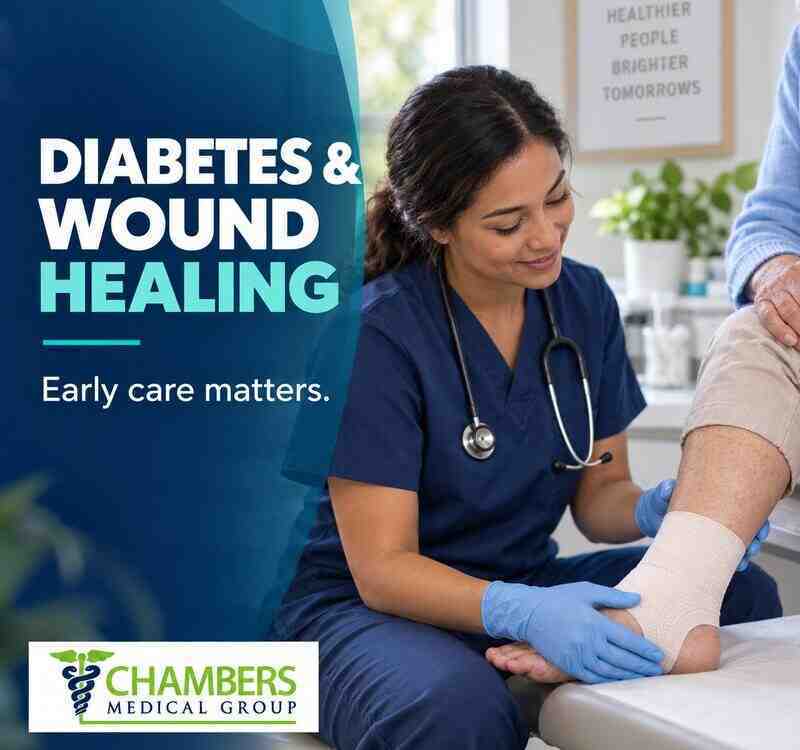
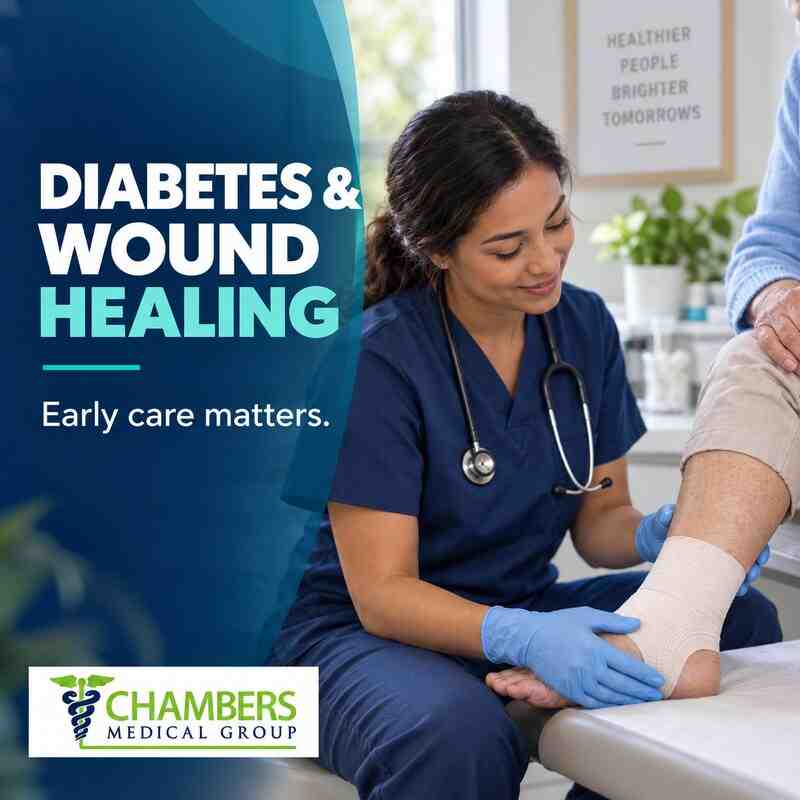
Too Sweet by Half – Problems with Diabetes in Wound Healing
September 21, 2026
Pain in the Neck, and Then Some
I would wager most people have had neck pain at some point in their life whether sleeping in an uncomfortable position or with heavy work. Needless to say, it is no fun. When accompanied by numbness and tingling (paraesthesia) into the arms or legs, it can cause concern. Dr. Clayton Bowman of Chambers Medical Group, one of the highest rated car accident medical doctor care programs in Kentucky, discusses neck pain.
Numbness and tingling, or pins and needles as some say, into the arms can occur for many various reasons. Whether by prolonged pressure on the appendage, vitamin deficiency, or a whole host of disease processes, it can cause alarm. In light of an automobile accident, one definitely can stand out, that being cervical radiculopathy, commonly called a pinched nerve.
A pinched nerve of the neck can present with numbness and tingling into the arms, a burning or sharp pain to shoulder, chest, or hand, weakness of arm or grip, and pain that worsens with certain neck movements. Think of the spine as an interstate highway with high traffic flow and the nerve roots as the off ramps from the highway. If there is a large traffic jam on the road, the exit ramp (spinal nerves) will be closed off for access until the traffic clears. A herniated disc could cause this, especially in light of trauma. Other factors, such as osteophytes (bone spurs) or degeneration of discs with time, may be at play. Either way, there is pressure applied to the spinal cord or one of the nerve roots that branch therefrom, depriving the downstream nerves of information from the spinal cord. C7 is the most commonly affected, with over half of cases involving this area1.
There are ways to help determine if there is radiculopathy. One test can be done by a practitioner called the Spurling Test, where the neck is bent to one side and a downward force is applied, which may reproduce the symptoms noted above. Another test may be the Hoffman Sign, flicking the middle fingernail, which if positive, causes the thumb and index finger to flex, though it is not as specific for radiculopathy. Of course, an MRI of the cervical spine is another way to directly visualize any impingement on the spinal cord. A nerve conduction test (EMG/NCV) is another way to show the electrical activity of the nerves and if there are any delays in signal transmission.
Hopefully, the above information is useful, but definitely some things to watch out for, especially after an accident. If you have had an accident, please get checked out by a medical provider, especially if you are experiencing the above symptoms. Information is powerful, and knowing is half the battle.
- Margetis, Konstantinos, et al. NIH NCBI Stat Pearls. Cervical Radiculopathy. 2025. https://www.ncbi.nlm.nih.gov/books/NBK441828/
— This article is written by Clayton Bowman, D.O., one of the members of Chambers Medical Group’s team of car accident medical doctors. Chambers Medical Group is a full-service medical group with a complete team of car accident medical doctors and chiropractors who offer a variety of treatments and therapies ranging from diagnostic testing to various soft tissue therapies for car accidents and injuries in Kentucky.
Contact Chambers Medical Group to schedule an evaluation or find the location nearest you.
Car Accident Injury Care Lakeland Florida
Car Accident Injury Care Sarasota Florida
Car Accident Injury Care Brandon Florida