Breathwork Techniques to Calm Nerves
March 23, 2026
Easy Swaps for a Healthier Home
April 11, 2026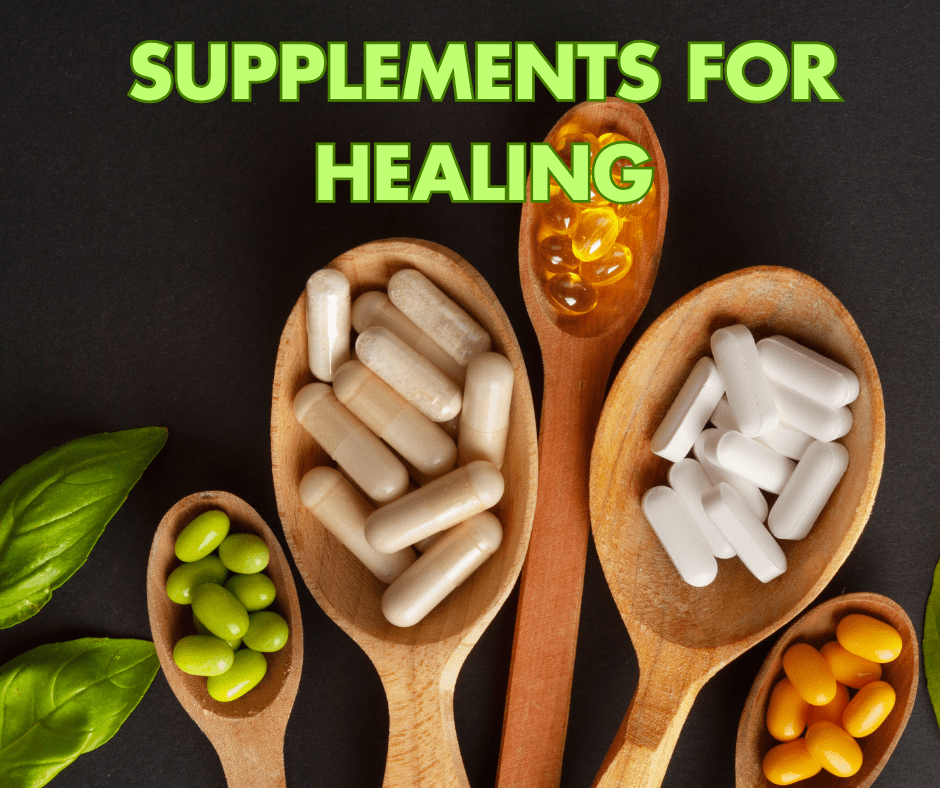
Supplements for Healing After a Car Accident
Recovering from a car accident can be physically and mentally draining. While medical care should always come first, prioritizing optimal nutrition and targeted supplementation can boost the body’s natural healing processes. The right supplements can help reduce inflammation, heal tissues, and increase strength quickly. Dr. Deryk Harting of Chambers Medical Group, one of the highest rated car accident medical doctor care teams in Florida, discusses 5 supplements to consider when healing.
- Protein and Amino Acids
Protein is essential for tissue repair. After an injury or accident, the body needs more amino acids to rebuild damaged muscle, skin, and connective tissues.
Benefits:
- Supports muscle repair and recovery
- Helps prevent muscle loss during inactivity
- Boosts wound healing
Best options:
- Whey protein
- Plant based protein powders
- Essential amino acid (EAA) supplements
Tip: Try to make protein the main macronutrient at every meal. Supplements can help increase overall intake.
- Collagen + Vitamin C
Collagen is a key structural protein found in ligaments, tendons, and skin. Pairing it with vitamin C improves its absorption and effectiveness.
Benefits:
- Supports joint and ligament repair
- Promotes skin and wound healing
- May reduce joint pain and stiffness
Best options:
- Hydrolyzed collagen powder
- Collagen capsules
- Vitamin C capsules if intake from whole food sources (guava, orange, red bell pepper) is inadequate
Tip: Try to take hydrolyzed collagen powder daily, ideally dissolved in water or a smoothie containing vitamin C for best absorption.
- Omega-3 Fatty Acids
Omega-3s are anti-inflammatory unsaturated fats. They can help manage pain and swelling after trauma.
Benefits:
- Reduces inflammation
- Supports brain health (important after concussions)
- Can improve joint health
Best options:
- Fish oil supplements which contain high doses of EPA and DHA
- Algae derived omega-3 (for plant-based diets)
Tip: Taking omega-3s daily and consistently allows their anti-inflammatory and brain supporting effects to accumulate over time.
- Vitamin D and Calcium
If your injuries involve bones or restricted mobility, vitamin D and calcium are especially important. They work together to support bone strength and repair. Without enough vitamin D, you will not absorb calcium efficiently.
Benefits:
- Promotes bone repair and remodeling
- Supports immune function
- Helps maintain muscle function
Best options:
- Vitamin D3 supplements
- Calcium citrate (better absorption) or calcium carbonate
Tip: Many people are deficient in vitamin D and a simple blood test can confirm your levels.
- Zinc
Zinc plays a critical role in immune function and cell regeneration. It is particularly helpful for wound healing and recovery after physical trauma.
Benefits:
- Supports white blood cell function to fight infection
- Can speed up injury, abrasion, or burn healing
- Aids in new cell growth
Best options:
- Zinc gluconate
- -Zinc picolinate
Tip: Avoid taking zinc on an empty stomach, as it may cause nausea. Also, long term high doses can interfere with absorption of other minerals.
Supplements can be a powerful tool when in recovery, but they should not replace a balanced, whole food diet or professional medical care. Prioritize getting nutrients from complete food sources whenever possible and using supplements only to fill deficits when dietary intake is insufficient. Most importantly, always follow your doctor’s recommendations before starting any supplementation regimen, as certain supplements can cause side effects, interact with medications, or lead to complications if not used appropriately.
— This article is written by Deryk Harting, DC, one of the members of Chambers Medical Group’s team of car accident chiropractors who offer a variety of treatments and therapies ranging from diagnostic testing to various soft tissue therapies for car accidents and injuries in Florida.