How Florida’s Summer Heat Can Affect the Body
July 12, 2026
Creatine– Not Just for Muscles
August 3, 2026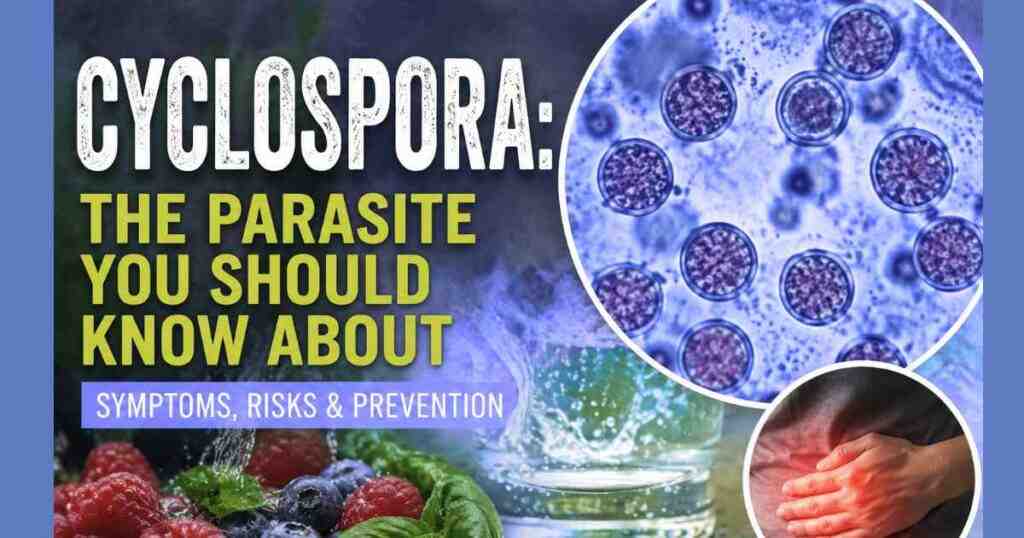
The Recent Rise in Cyclospora
Recent headlines have highlighted outbreaks of Cyclospora, a microscopic parasite that can cause prolonged gastrointestinal illness. While it is not as well-known as Salmonella or E. coli, Cyclospora infections can cause weeks of uncomfortable symptoms. Cyclospora cayetanensis is a single-cell parasite that infects the small intestine and causes an illness known as cyclosporiasis. People become infected by consuming food or water contaminated with the parasite. Dr. Deryk Harting of Chambers Medical Group, one of the highest rated car accident medical doctor care teams in Florida, discusses Cyclospora.
Unlike many foodborne illnesses that spread directly from person to person, Cyclospora requires time to mature in the environment before it becomes infectious. This means direct transmission between people is uncommon and most cases are linked to contaminated fresh produce. One characteristic of cyclosporiasis is that symptoms may improve and then return over several weeks if the infection is not treated. Symptoms typically develop 2 to 14 days after exposure and may include:
- Frequent watery diarrhea
- Abdominal cramps
- Bloating and excessive gas
- Nausea
- Loss of appetite
- Fatigue
- Low-grade fever
- Weight loss if illness is prolonged
Because Cyclospora is not detected on every routine stool test, healthcare providers often need to specifically request testing for the parasite. Cyclospora is treatable with prescription antibiotics. The standard treatment is trimethoprim-sulfamethoxazole (TMP-SMX), which is highly effective for most people. In addition to antibiotics, treatment focuses on preventing dehydration by drinking plenty of fluids with electrolytes and eating bland, easily digestible foods until symptoms improve.
People with weakened immune systems may experience more severe or prolonged illness and should seek medical care if symptoms develop. Most healthy individuals recover completely with appropriate treatment. However, untreated infections can lead to complications such as dehydration, electrolyte imbalances, persistent fatigue, weight loss, and nutritional deficiencies. Seek medical evaluation if you experience:
- Diarrhea lasting more than 2 to 3 days
- Signs of dehydration, such as dizziness, dry mouth, or decreased urination
- Severe abdominal pain
- Bloody stools
- Persistent fever
- Significant weight loss
Although no method completely eliminates the risk, several precautions can help reduce your chances of infection:
- Wash fresh fruits and vegetables thoroughly before eating
- Peel produce when possible
- Drink safe, treated water
- Practice good hand hygiene before preparing or eating food
- Stay informed about food recalls and outbreak reports
It is worth noting that rinsing produce alone may not completely remove Cyclospora, as the parasite can adhere to the surface of fruits and vegetables. Proper food handling and buying produce from reliable sources are key preventive measures.
Cyclospora is an uncommon but significant cause of foodborne illness that has received increased attention due to recent outbreaks. While the infection can cause weeks of uncomfortable gastrointestinal symptoms, it is usually treatable once diagnosed. Recognizing the symptoms early and seeking medical care when symptoms persist can help ensure a full recovery and reduce the risk of any complications.
— This article is written by Deryk Harting, DC, one of the members of Chambers Medical Group’s team of car accident chiropractors who offer a variety of treatments and therapies ranging from diagnostic testing to various soft tissue therapies for car accidents and injuries in Florida.