Airbag Injuries
March 16, 2026
Supplements for Healing After a Car Accident
April 7, 2026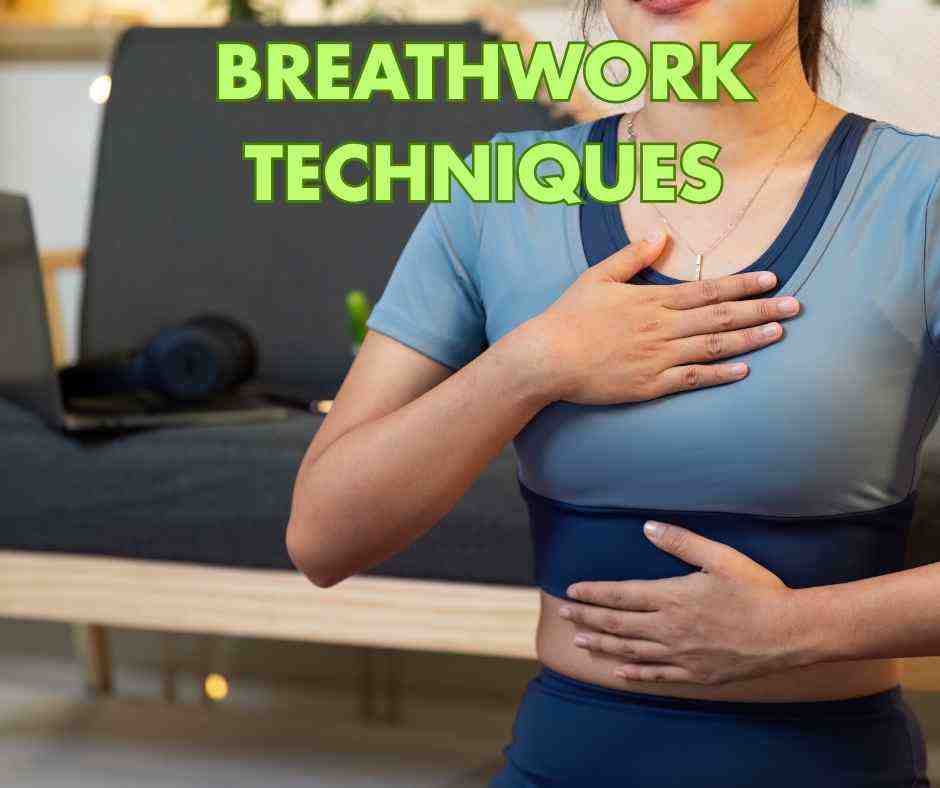
Breathwork Techniques to Calm the Nervous System
While breathing often feels automatic or involuntary, it is one of the few body functions we can consciously control. This also makes it a great tool for managing stress and calming the nervous system. When you feel anxious, overwhelmed, or tense, your body activates the sympathetic nervous system also called the fight or flight response. Activation of the sympathetic nervous system is associated with increased heart rate, shallow breathing, and increased muscle tension. Breathwork helps reverse this response by activating the parasympathetic nervous system, which signals the body to relax or ‘rest and digest.’ Simple breathing techniques can slow heart rate, lower stress hormones like cortisol, and promote calmness. Dr. Deryk Harting of Chambers Medical Group, one of the highest rated car accident medical doctor care teams in Florida, discusses 4 easy breathwork techniques to calm the nervous system:
- Diaphragmatic breathing, also known as belly breathing, involves deeper and slower breaths. Many people breathe shallowly into the chest, especially when anxious or stressed. This technique helps engage the diaphragm and increases the exchange of oxygen and carbon dioxide.
Start by sitting or lying in a comfortable position. Place one hand on your chest and the other on your abdomen. Inhale slowly through your nose for about 4 seconds. Your belly should rise while your chest remains relatively still. Then exhale slowly through your mouth for 4-6 seconds. Repeat this pattern for 2-5 minutes and focus on slow, steady breathing.
- Box breathing is a structured breathing method used by athletes, performers, and military personnel. Begin by inhaling through your nose for 4 seconds. Hold the breath for 4 seconds. Then exhale slowly through your mouth for 4 seconds. Hold again for 4 seconds before the next inhale. This creates a 4-part breathing cycle that resembles the sides of a box. The steady rhythm stimulates parasympathetic nerves to reduce anxiety and calm the mind.
- The 4-7-8 technique is designed to promote relaxation and support sleep. It emphasizes longer exhalations to increase calmness. First, inhale through your nose for 4 seconds. Next, hold the breath for 7 seconds. Then exhale slowly through your mouth for 8 seconds. The extended exhale encourages the body to release tension. Many people find this technique helpful before bedtime or during moments of high stress.
- Alternate nostril breathing is commonly used in yoga. Sit comfortably with your spine upright. Using your right hand, close your right nostril with your thumb. Inhale slowly through your left nostril. Then close the left nostril with your index or middle finger and exhale through the right nostril by releasing your thumb. Next, inhale through the right nostril. Close it and exhale through the left. Continue alternating sides for several minutes.
Breathwork is most effective when it is done consistently. Even 5 minutes a day can produce noticeable benefits. Start with one technique that feels most comfortable. Morning sessions can set a calm tone for the day. Short breathing breaks during work can reduce stress and improve focus. Evening sessions can prepare the body for rest and improve sleep quality. By training and being mindful of your breathing, you can develop a valuable tool for regulating the nervous system and supporting overall health.
— This article is written by Deryk Harting, DC, one of the members of Chambers Medical Group’s team of car accident chiropractors who offer a variety of treatments and therapies ranging from diagnostic testing to various soft tissue therapies for car accidents and injuries in Florida.