Thinking Clearly After a MVA
July 28, 2025
Flex Appeal: The Latissimus Dorsi Takes Center Stage!
July 28, 2025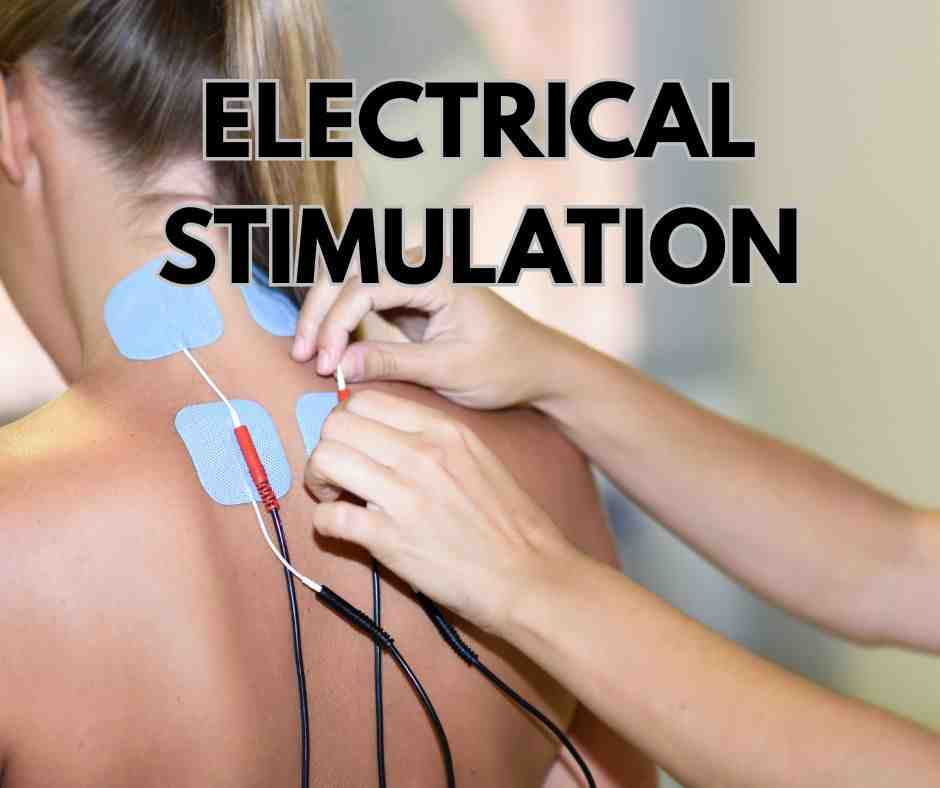
What is Electrical Stimulation
Electrical stimulation (e-stim) is a therapeutic technique that uses mild electrical currents to activate nerves and muscles through electrodes placed on the skin. Patients usually describe it as a tingling sensation. This has become a popular tool in therapy to support recovery from injuries, chronic pain, or post-surgical rehabilitation. Therapists often use e-stim to target specific areas, adjusting the intensity to suit individual needs. Whether recovering from a sprained ankle, targeting large muscle groups, or just managing arthritis, patients can benefit from this unique approach. Dr. Aaron Workman of Chambers Medical Group, one of the highest rated car accident medical care providers in Kentucky, talks
about what e-stim is and how it can strengthen a therapy program.
- Pain Relief
E-stim reduces pain by interrupting nerve signals that carry all the painful information to the brain while triggering the release of endorphins, the body’s natural painkillers. This is like introducing a roadblock on your main highway of pain signals. A few cars (pain signals) can still get through, but traffic is greatly reduced. At Chambers Medical Group this is great for patients suffering from acute pain following a motor vehicle accident (MVA). For someone with this new acute pain, this can dull the severity of pain, making therapy visits more tolerable and encouraging movement without constant discomfort.
- Muscle Strengthening
For muscles weakened by injury, surgery, or prolonged immobility, e-stim induces controlled contractions to help in the rebuilding of strength. Muscle tone can start to disappear within a few weeks following an injury or immobility, but e-stim can mimic that natural muscle activity. This can help battle weakened areas over weeks of use.
- Improved Circulation
E-stim boosts blood flow by causing rhythmic muscle contractions. Muscle contractions during normal movement aids in the body’s circulation but a new injury can hinder how well that system works. E-stim can help by aiding that system so it can deliver oxygen and nutrients to injured tissues while reducing swelling. For a patient that may have suffered something such as a twisted ankle, this increased circulation can speed healing, decrease stiffness, and support the body’s natural repair process.
- Enhanced Motor Control
E-stim improves coordination by stimulating nerves, which in turn helps poor motor skills after issues such as nerve damage or stroke. The electrical input helps retrain the brain-muscle connection, enabling improved walking or hand movements. For example, it can assist someone with relearning to grip objects after a wrist injury.
E-stim enhances therapy by relieving pain, strengthening muscles, improving circulation and boosting motor control. At Chambers Medical Group, doctors will prescribe this adjunct therapy as a part of an overall plan designed to address multiple injuries a patient typically has sustained following an MVA. It usually starts with low intensity to test comfort and is paired with ice or heat for added relief. By incorporating E-stim as part of a therapy program, it can help pave the way for a faster and stronger recovery.
— This article is written by Aaron Workman, DC, one of the members of Chambers Medical Group’s team of car accident chiropractors who offer a variety of treatments and therapies ranging from diagnostic testing to various soft tissue therapies for car accidents and injuries in Kentucky.