The Exact Science of Sneezing

What Is an MRI and How Does It Work?
February 20, 2026
Airbag Injuries
March 16, 2026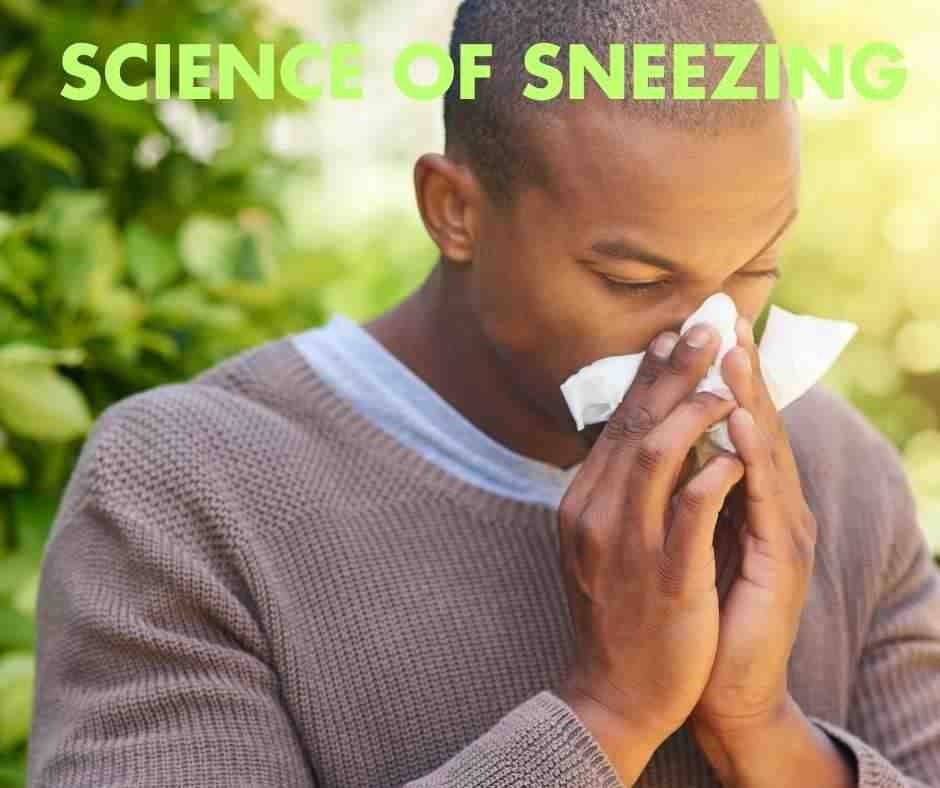
The Science of Sneezing
Sneezing feels simple but actually it is a complex, coordinated neurological reflex designed to protect your body. Dr. Deryk Harting of Chambers Medical Group, one of the highest rated car accident medical doctor care programs in Florida, discusses the science of sneezing. A sneeze starts with some type of irritation. The lining of the nose contains sensitive nerve endings which transmit sensations through the trigeminal nerve. This lining is stimulated when particles like dust, pollen, smoke, or pathogens enter the nasal cavity. Specialized cells detect the particles and send signals to the brainstem.
Within the brainstem, the primary area responsible for sneezing is in the medulla oblongata. It processes incoming sensory information and determines if the irritation is strong enough to trigger a reflex. If the threshold is reached, the medulla initiates a fast and coordinated response.
First comes a deep inhalation as the diaphragm contracts and pulls air into the lungs. The glottis, which is the opening between the vocal cords and plays a vital role in breathing, then closes. Pressure builds inside the chest as the muscles of the chest and abdomen contract strongly. This only lasts a moment until the glottis quickly opens and air explodes out through the nose and mouth. This powerful airflow clears the airway and carries mucus and particles with it.
Although the expelled air typically travels around 10 miles per hour, the greater health concern is the thousands of tiny droplets released. Some of these airborne droplets are large and fall quickly. However, smaller droplets form a cloud that can continue to expand and linger in the air for several minutes, which is why sneezing plays a significant role in spreading respiratory infections.
Allergies are a common example of repeated sneezing. In allergic rhinitis, the immune system overreacts to harmless particles from pollen or pet dander. Immune cells then release histamine and other chemicals. These substances increase blood flow and mucus production in the nasal lining. They also increase nerve sensitivity that results in itching, congestion, and frequent sneezing.
Infections trigger sneezing through a similar but distinct pathway. Viruses like those causing the common cold or flu infect cells in the nasal lining. The immune response produces inflammation. Then swelling and excess mucus irritate local nerves, and the sneeze reflex activates to help remove viral particles.
Some sneezes have unusual triggers. Bright light can provoke sneezing in some people. This phenomenon is known as the photic sneeze reflex. It is believed to involve interactions or ‘cross wiring’ between the optic nerve and the trigeminal nerve. In some rare cases, strong emotions (usually excitement), a full stomach, or even sudden temperature changes may also cause sneezing.
Sneezing rarely occurs during sleep because the brain is less responsive to external sensations, the stimulation threshold is higher, and reflex pathways are inhibited. Mild nasal irritation typically does not cause sneezing but if the signal is strong enough, it will either wake the person up first or trigger a sneeze as they wake up.
Sneezing is not usually harmful to the body. In fact, it provides an important defensive role against irritants or pathogens. However, suppressing a sneeze by physically blocking the nose and mouth can be risky. Pressure must escape somewhere or it will be redirected into the throat, sinuses, middle ear, or eardrum and potentially cause damage.
In the end, sneezing is a protective response. It is fast, automatic, and efficient. What feels like a brief explosion is a highly coordinated reflex arc and sign that your defense systems are working properly.
— This article is written by Deryk Harting, DC, one of the members of Chambers Medical Group’s team of car accident chiropractors who offer a variety of treatments and therapies ranging from diagnostic testing to various soft tissue therapies for car accidents and injuries in Florida.