What Is an MRI and How Does It Work?

The Health Benefits of Walking After Meals
February 17, 2026
The Exact Science of Sneezing
March 1, 2026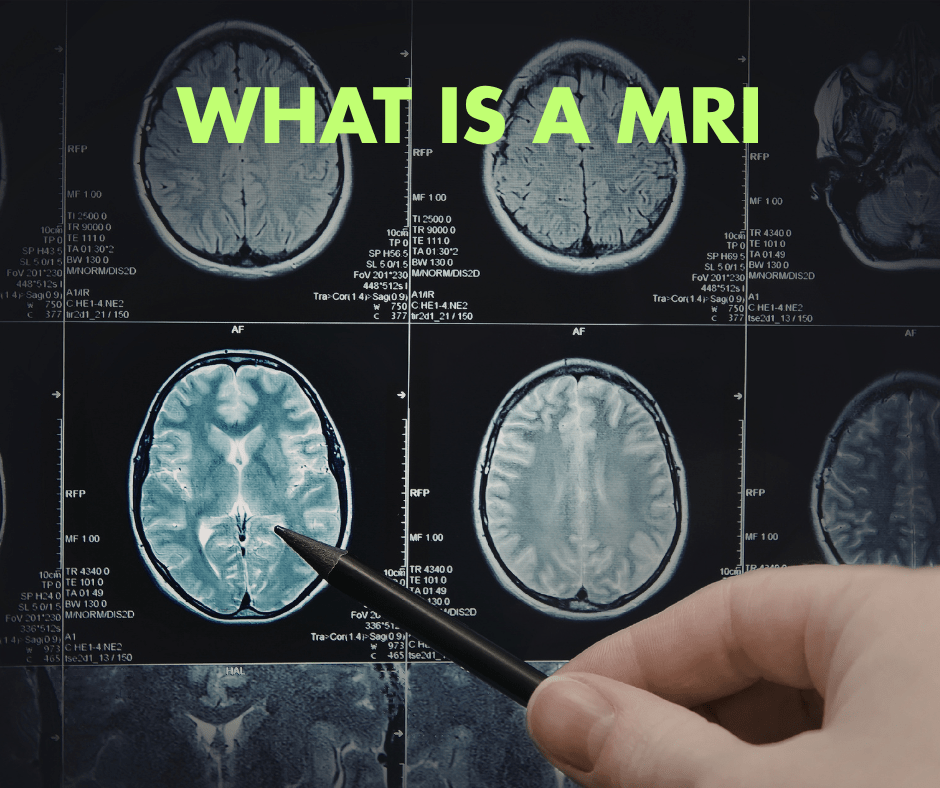
What Is an MRI and How Does It Work?
Magnetic Resonance Imaging (MRI) is an important diagnostic tool that allows physicians to see detailed images of the human body. It is regarded as a highly valuable imaging technology in medicine due to its ability to evaluate soft tissues. Dr. Deryk Harting of Chambers Medical Group, one of the highest rated car accident medical physician care facilities in Florida, explains what an MRI is and how it works.
MRI technology was developed in the early 1970s, and the first human MRI scan was performed in 1977. An MRI scanner uses a strong magnetic field, radiofrequency (RF) pulses, and computer processing to create cross-sectional images. Cross-sectional images are ‘slice by slice’ pictures of the body that help doctors see a variety of soft tissue layers and pinpoint potential problems.
The human body contains a large amount of water, and water molecules contain hydrogen atoms. Each hydrogen atom has a proton that behaves like a tiny magnet due to a property called ‘spin.’ During a scan, the machine’s magnet temporarily aligns these protons in one direction instead of their normal, random orientation. The scanner then uses RF pulses that temporarily disturb this alignment. As the protons return to their original state, they release energy. Sensors detect this and a computer converts the signals into detailed images.
Different soft tissues like muscle, fat, cartilage, and brain matter produce distinct signals. This variation allows MRI to produce detailed contrast between soft tissues. This makes MRI especially useful for evaluating areas where other imaging techniques like CT scans and X-rays provide less soft tissue detail and contrast. Medical professionals order MRI scans for a wide range of reasons. Common indications include:
- Neurological conditions: MRI is frequently used to evaluate the brain and spinal cord for conditions such as tumors, stroke, multiple sclerosis, aneurysms, nerve compression, and spinal disc injuries.
- Musculoskeletal injuries: It is highly effective for assessing ligament tears, tendon damage, cartilage degeneration, and other joint abnormalities.
- Cardiovascular conditions: MRI can assess heart structure, function, and certain vascular conditions.
- Abdominal and pelvic imaging: It helps evaluate organs such as the liver, kidneys, uterus, and prostate.
- Oncology: MRI assists in detecting, staging, and monitoring tumors.
MRI is often compared with computed tomography (CT). While both produce cross-sectional images, they function on different principles. A CT scan uses X-rays and computers to create images of bones, blood vessels, and certain soft tissues. CT scans are quicker compared to MRI and are especially useful in emergency settings such as bleeding, traumatic injuries, or fractures. MRI provides better soft tissue contrast and can detect even slight soft tissue abnormalities. However, MRI exams usually take longer, 20 to 60 minutes, and can be more sensitive to patient movement. Additionally, patients with certain implanted devices, such as pacemakers, may not be eligible for MRI due to the strong magnetic field. CT scans expose patients to ionizing radiation, while MRI does not. This difference can be significant when considering imaging tests and radiation exposure. Because MRI does not use ionizing radiation, it is often preferred for younger patients or those requiring repeated imaging.
MRI is a safe, noninvasive scan that uses magnetic fields and radio waves to create detailed images of the body’s soft tissues. It helps doctors diagnose and monitor a range of neurological, musculoskeletal, cardiovascular, abdominal, and oncologic conditions accurately. While MRI scans may not be appropriate for every patient or condition, they represent an essential component of modern diagnostic imaging.
— This article is written by Deryk Harting, DC, one of the members of Chambers Medical Group’s team of car accident chiropractors who offer a variety of treatments and therapies ranging from diagnostic testing to various soft tissue therapies for car accidents and injuries in Florida.