Best Exercises for Neck and Back Pain After a Car Accident

New Findings From 2025 Sleep Research
December 12, 2025
Pain at Night
December 30, 2025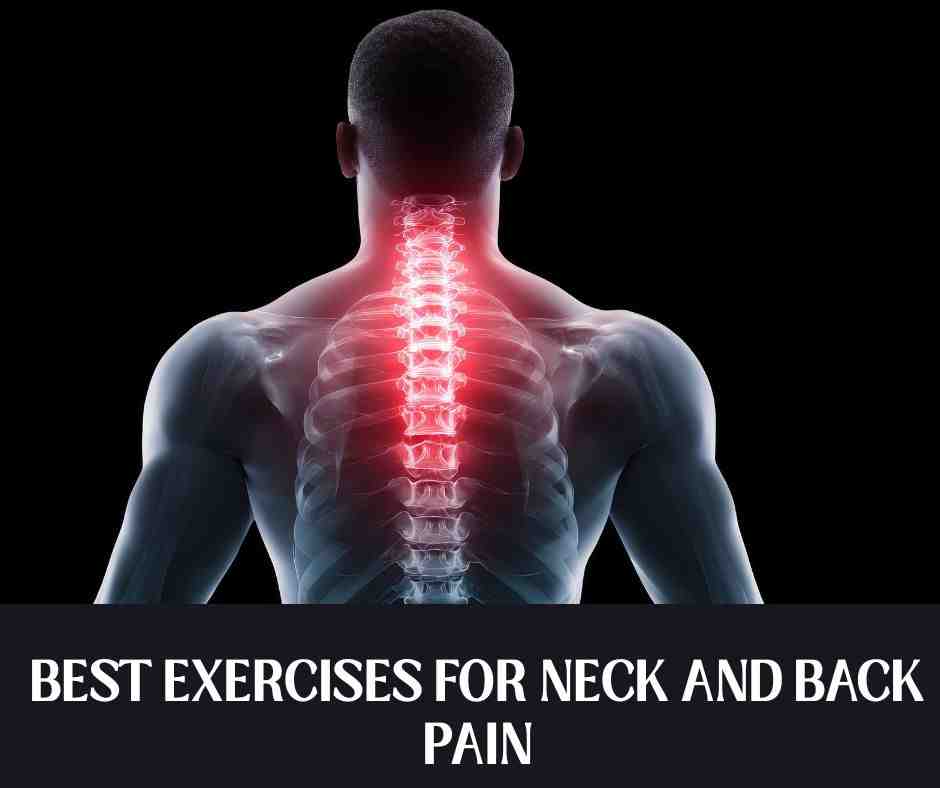
Best Exercises for Neck and Back Pain After a Car Accident
Neck and back pain are common after a car accident. Whiplash and soft tissue injuries can cause stiffness, weakness, and limited movement. Many people think rest is the best solution but in most cases gentle exercise leads to better results once a medical professional says it is safe. The goal of post-accident exercise is simple: reduce pain, restore movement, build strength, and prevent long term problems. Exercises should start slowly and stay within a pain-free range. Sharp pain is a sign to stop. Dr. Deryk Harting of Chambers Medical Group, one of the highest rated car accident medical doctor care programs in Florida, explains some of the most effective exercises used in recovery from accident-related neck and back injuries.
Neck Exercises After a Car Accident
- Chin Tucks- These stabilize the neck and improve posture. They activate deep neck muscles that often weaken after whiplash. This exercise reduces strain on the neck and helps correct forward head posture.
- How to do it: Sit or stand tall. Gently pull your chin straight back. Do not tilt your head. Hold for 5 seconds. Relax and repeat 8 to 10 times.
- Neck Range of Motion- Limited movement is common after an accident. Range of motion exercises help restore flexibility and reduce stiffness.
- Movements include:
Turning your head side to side
Tilting your head toward each shoulder
Lowering your chin toward your chest and raising it back up towards the ceiling
Move slowly. Stay within a comfortable range. Do 5 to 10 repetitions in each direction. These movements should not cause sharp pain. This exercise reduces tension in the neck and shoulders.
- Shoulder Blade Squeezes- Upper back weakness often contributes to neck pain. Shoulder blade squeezes improve neck support and posture.
- How to do it: Sit or stand upright. Pull your shoulder blades together and maintain a neutral neck posture. Hold for 3 to 5 seconds. Relax and repeat 10 to 15 times.
Back and Core Exercises After a Car Accident
- Pelvic Tilts- Pelvic tilts strengthen the core and support the lower back. They are gentle and safe for early recovery. This exercise helps reduce lower back strain.
- How to do it: Lie on your back with knees bent. Tighten your stomach muscles. Flatten your lower back into the floor. Hold for 3 to 5 seconds. Relax and repeat 10 to 15 times.
- Bird Dog- The bird dog improves balance and spinal stability. It strengthens the core without stressing the spine.
- How to do it: Start on hands and knees. Extend one arm and the opposite leg. Keep your back flat and core engaged. Hold for 5 seconds. Switch sides. Repeat 8 to 10 times per side. Move slowly and controlled.
- Bridges- Bridges strengthen the glutes and lower back. These muscles support the spine during daily movements.
- How to do it: Lie on your back with knees bent and feet flat on the ground. Push through your heels. Lift your hips. Hold for 2 to 3 seconds. Lower slowly. Repeat 10 to 15 times. Stop if you feel pain in the lower back.
Always get medical clearance before starting any exercises after a car accident. Some injuries require rest or specialized care. Start with light movements and progress slowly. Pain should decrease, not increase. Stop immediately if you feel sharp pain, numbness, or tingling. Consistency matters more than intensity. Short daily sessions are better than pushing too hard, especially in the first few weeks. The right movements improve strength and mobility. When done correctly these exercises support healing and reduce the risk of chronic pain. If symptoms persist or worsen, a doctor or chiropractor can design a personalized program.
— This article is written by Deryk Harting, DC, one of the members of Chambers Medical Group’s team of car accident chiropractors who offer a variety of treatments and therapies ranging from diagnostic testing to various soft tissue therapies for car accidents and injuries in Florida.