How Magnesium Affects Vitamin D Supplementation

What is Movement Snacking?
January 26, 2026
Driving North as a Floridian in Winter
February 5, 2026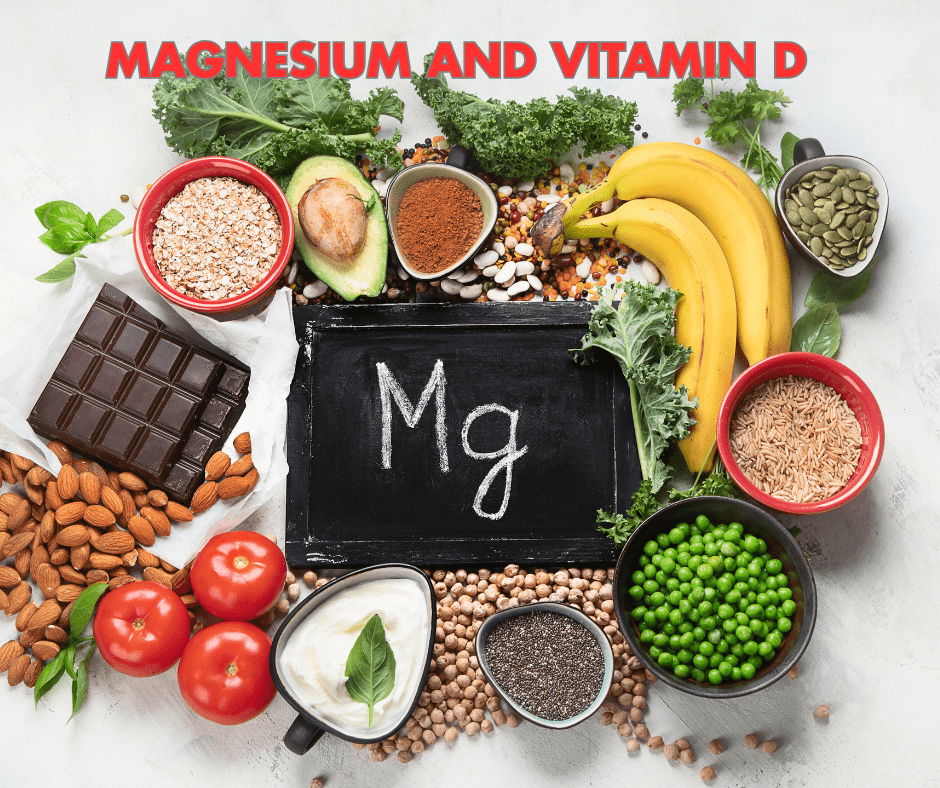
How Magnesium Affects Vitamin D Supplementation
Vitamin D is one of the most used supplements. It is usually taken to support bone health, immune function, and overall wellness. However, some people see little benefit from taking it, while others experience unexpectedly high blood levels despite smaller doses. Newer research suggests that magnesium is a key factor behind these results. Dr. Deryk Harting of Chambers Medical Group, one of the highest rated car accident medical doctor care providers in Florida, discusses how magnesium affects vitamin D supplementation.
Vitamin D from sunlight, food, or supplements is biologically inactive. It must undergo 2 steps in the body. The first occurs in the liver and the second occurs in the kidneys. Both steps rely on enzymes that must have magnesium as a cofactor. Without enough magnesium, vitamin D may not be efficiently converted into its active form. This means a person can have normal or even high vitamin D intake but still have low functional activity in their body.
Some recent studies have investigated this interaction. Researchers found that magnesium supplementation helped regulate circulating vitamin D levels. In people with low vitamin D, magnesium appeared to increase levels. In those with very high vitamin D, magnesium helped prevent excessive accumulation.
This suggests magnesium acts as a ‘metabolic regulator.’ It helps the body use vitamin D more efficiently and maintain a healthy balance. The findings may explain why previous vitamin D trials have had mixed results because magnesium was not often measured or controlled for.
Magnesium deficiency or insufficiency is also common. Modern diets often contain less magnesium than recommended: food processing removes magnesium, current agricultural soil has lowered mineral content in crops, and consuming refined foods further decreases magnesium intake.
Certain population groups are at a higher risk. These include older adults, individuals with gastrointestinal diseases, type 2 diabetes, and individuals taking diuretics or proton pump inhibitors. Stress, caffeine, alcohol, and intense physical activity also deplete magnesium levels.
For people who do not respond to vitamin D supplements, magnesium could be a missing piece. For those taking high doses of vitamin D, adequate magnesium may help reduce the risk of imbalance or side effects, like abnormal calcium metabolism. This does not mean everyone needs magnesium supplements. Many people can meet their needs through a healthy diet. Magnesium-rich foods include leafy green vegetables, nuts, seeds, legumes, whole grains, and cocoa.
Vitamin D remains an important nutrient with well documented benefits. However, its effectiveness depends on adequate magnesium. New research suggests magnesium plays a key role in vitamin D metabolism and regulation. Before taking any supplements, it is critical to speak with a healthcare professional who can test your current nutrient levels and determine appropriate dosing and timing regimens while avoiding any possible adverse interactions.
Research:
– https://pubmed.ncbi.nlm.nih.gov/30541089/
– https://doi.org/10.1186/1741-7015-11-187
– https://doi.org/10.3389/fnut.2022.878665
— This article is written by Deryk Harting, DC, one of the members of Chambers Medical Group’s team of car accident chiropractors who offer a variety of treatments and therapies ranging from diagnostic testing to various soft tissue therapies for car accidents and injuries in Florida.