Driving North as a Floridian in Winter

How Magnesium Affects Vitamin D Supplementation
January 26, 2026
Common Shoulder Injuries After a Car Accident
February 17, 2026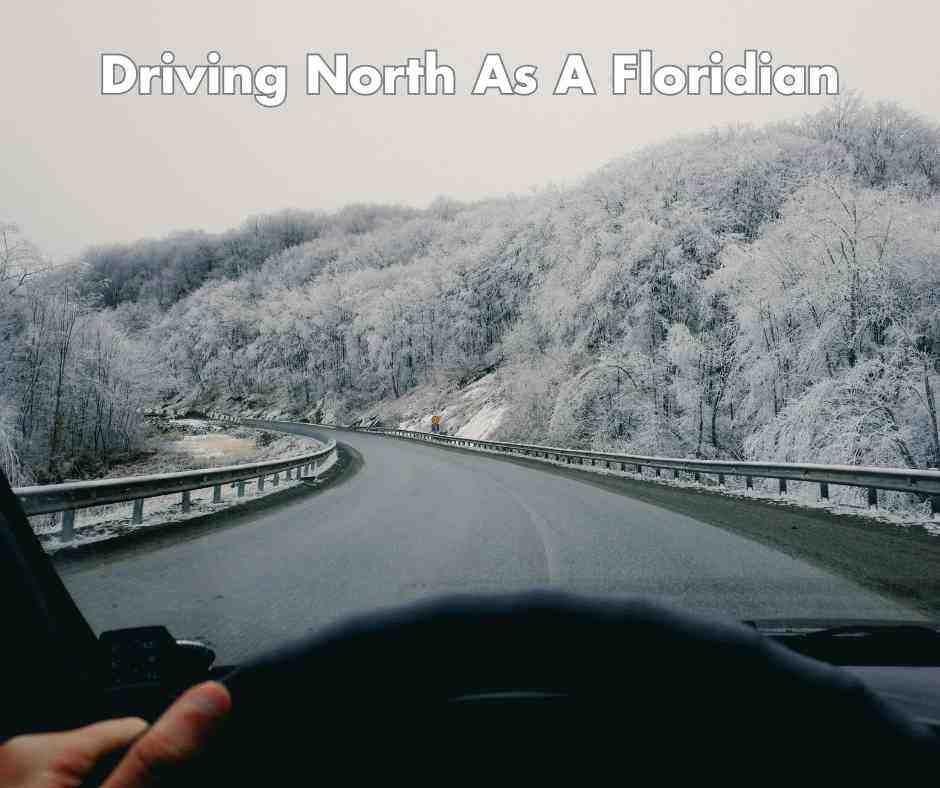
Driving North as a Floridian in Winter
Driving in Florida means heat, rain, and sunshine. As Floridians, we navigate wet roads and sudden storms, but we do not deal with ice and snow. Like many Floridians, we travel north for work, family, or vacation. That is when winter driving comes into play. Ice and snow change driving conditions, and present major challenges. Dr. Deryk Harting of Chambers Medical Group, one of the highest rated car accident medical care teams in Florida, discusses driving north as a Floridian in the winter.
The biggest issue is traction. In Florida, tires grip warm pavement firmly but not on ice. Ice can be hidden underneath snow, and black ice is even worse because you cannot see it at all. A routine steering or braking maneuver can cause a slide and overcorrecting only makes it worse. Many winter crashes happen at low speeds because drivers assume they are safe.
Braking also causes many accidents. Florida drivers are used to braking late and hard. This habit does not work on ice. Sudden braking can lock the wheels or cause a skid, even with anti-lock brakes. Winter conditions require much longer stopping distances. You may need 3 to 5 times the usual distance. Rear end accidents are frequent because drivers underestimate how long it takes to stop.
Turns create another set of problems. Curves, ramps, and intersections all tend to freeze. Slowing down while already turning increases the risk of sliding. Once a car starts to slide, panic often sets in. Drivers slam the brakes or jerk the wheel which usually causes a loss of control.
Speed might be the biggest factor in winter accidents. Posted speed limits assume good conditions. Snow and ice are not good conditions. Driving below the limit is usually necessary and most responsible. Arriving late is always better than not arriving at all.
Preparation is key, especially for Floridians driving outside the state. If renting a car, check the tires. Worn tires are dangerous in snow. All wheel drive can help with acceleration and traction, but it does not help with stopping or make a vehicle invincible. If possible, choose a car with good winter safety ratings and bring basic winter supplies like a scraper, gloves, a flashlight, and a charged phone.
Driving technique matters even more. Accelerate slowly, steer gently, and brake early and lightly. Look far ahead to anticipate and plan your moves. Leave extra space between vehicles. If a skid begins, ease off the gas or brakes and steer in the direction you want the car’s front end to go. Stay calm as sudden movements make things worse.
Weather changes quickly in northern states. Roads that look clear during the day can freeze at dusk and after sunset. Bridges freeze before regular pavement. Snowplows can leave uneven surfaces and ridges. Florida drivers should watch for these and adjust early. If visibility drops or ice builds up, stopping may be the safest option. Always follow local warnings and advisories.
Modesty can go a long way for Floridians driving in snow and ice. Sometimes the safest option is to take the passenger seat and let a winter-experienced driver take the wheel. If that is not an option, learn the basics, drive with a beginner’s mindset, and plan ahead. Practice in an empty parking lot if possible. Safe driving means respecting the conditions and adapting your driving style to the present conditions.
— This article is written by Deryk Harting, DC, one of the members of Chambers Medical Group’s team of car accident chiropractors who offer a variety of treatments and therapies ranging from diagnostic testing to various soft tissue therapies for car accidents and injuries in Florida.