8 Types of Drinking Water
May 19, 2026
Health Benefits of Watermelon
June 2, 2026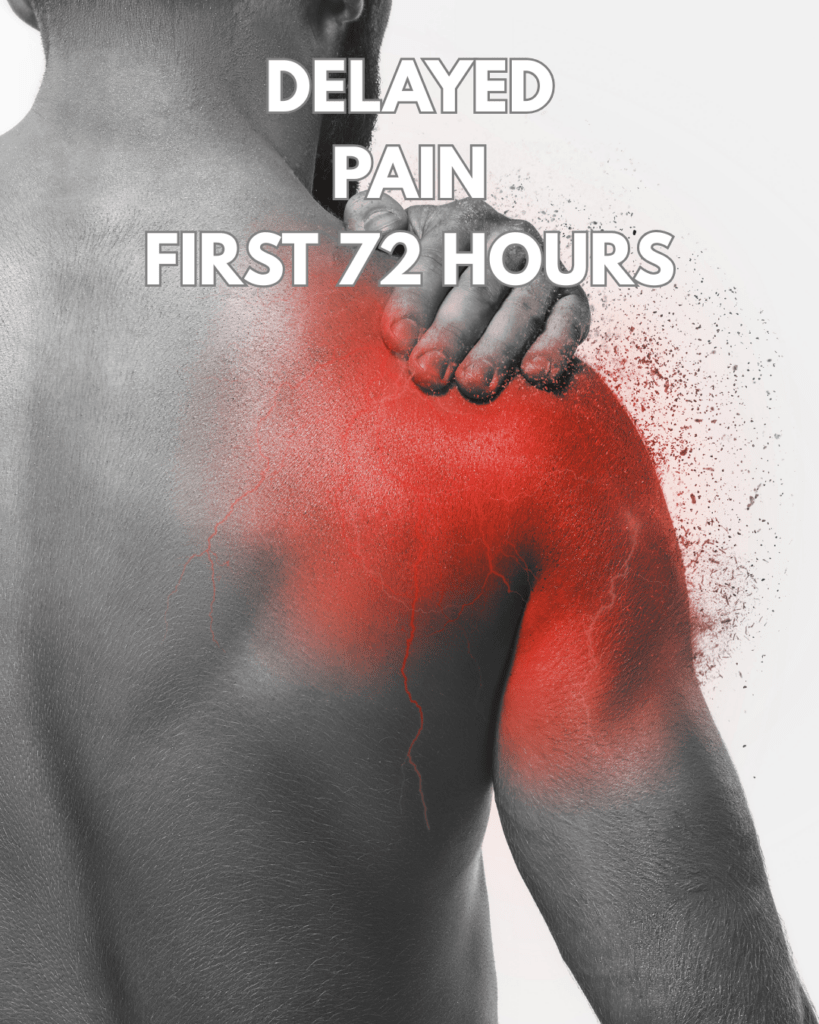
Delayed Pain After a Car Accident and What to Do in the First 72 Hours
In Florida, car crashes are extremely common. The Florida Department of Highway Safety and Motor Vehicles reported more than 380,000 traffic crashes and over 3,100 fatalities in 2024. Adrenaline, shock, anxiety, or stress can mask pain and injuries after a car accident. Some people feel “fine” at the scene only to have symptoms appear hours or days later which makes the first 72 hours crucial. Dr. Deryk Harting of Chambers Medical Group, one of the highest rated car accident medical doctor care teams in Florida, discusses delayed pain after a car accident and what to do in the first 72 hours.
- Get a Medical Evaluation Immediately
- Always seek medical care after a crash. Do not wait for severe pain to develop.
- Whiplash symptoms often begin within several hours or days after an accident. Common symptoms include neck pain, headaches, stiffness, dizziness, numbness, and reduced range of motion.
- Concussion symptoms can also appear later. According to the CDC, symptoms like headaches, confusion, fatigue, balance problems, and light sensitivity may develop hours or days after the injury.
- In Florida, seeking medical care is especially important because Personal Injury Protection (PIP) insurance requires a medical examination within 14 days to qualify for benefits.
- Document Everything
Good documentation helps your healthcare providers understand your injuries and supports insurance claims. Within the first 72 hours:
- Take photos of vehicle damage, bruises, swelling, abrasions, and the accident scene.
- Keep copies of medical records and any discharge paperwork.
- Write down symptoms as they appear.
- Save receipts for medications, imaging, medical equipment, or treatment.
- Obtain a copy of the police report.
- Do not Ignore Delayed or Mild Symptoms
- One of the biggest mistakes people make is assuming pain will go away on its own even if it is minor.
- Soft tissue injuries can become chronic when left untreated. The Mayo Clinic notes that while many whiplash patients recover within weeks, some will develop chronic pain and complications.
- Delayed symptoms commonly include neck stiffness, lower back pain, shoulder soreness, headaches, tingling in the arms or legs, dizziness, trouble concentrating, and fatigue.
- These symptoms may indicate inflammation, soft tissue damage, joint dysfunction, spinal injuries, nerve irritation, or concussion related conditions.
- Follow a Treatment Plan
- Rest is important during the first couple of days, but prolonged physical inactivity can slow healing. Recovery and treatment should begin early.
- Many common treatment recommendations include chiropractic care, physical therapy, stretching, medication, nutritional adjustments, and a gradual return to normal daily activities.
- Early conservative treatment can help improve healing time and reduce the risk of long-term pain or other complications.
- Monitor Your Symptoms Closely
- Pay attention to any worsening or new symptoms.
- Seek immediate medical attention if you experience severe headaches (often described as the worst headache of my life), loss of balance, seizures, vomiting, weakness, loss of bowel or bladder control, chest pain, fainting, difficulty breathing, slurred speech, or visual disturbances.
- Monitoring worsening symptoms is important because they can indicate serious or even life-threatening conditions that require medical attention.
Decisions made during the first 72 hours after a car accident can make an immense difference in healing outcomes. Early evaluation, detailed documentation, and prompt treatment can help prevent chronic complications and promote a full recovery.
— This article is written by Deryk Harting, DC, one of the members of Chambers Medical Group’s team of car accident chiropractors who offer a variety of treatments and therapies ranging from diagnostic testing to various soft tissue therapies for car accidents and injuries in Florida.