Common Shoulder Injuries After a Car Accident
February 17, 2026
What Is an MRI and How Does It Work?
February 20, 2026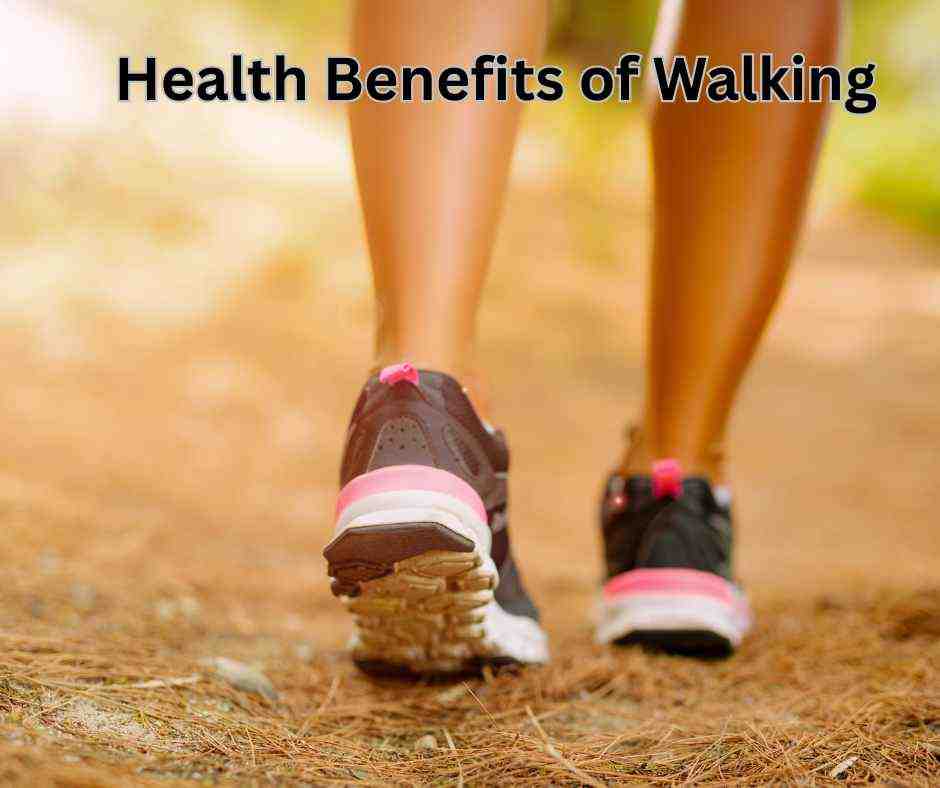
The Health Benefits of Walking After Meals
Taking three 10-minute walks each day after meals is one of the easiest and most effective habits for improving your health. It requires no equipment, no gym membership, and little time. Dr. Deryk Harting, a team member of one of the highest rated car accident medical doctor care programs in Florida, discusses some of the key health benefits:
- Blood Sugar Control
One of the most immediate effects of walking after meals is improved blood sugar. After eating, blood glucose rises and the body releases insulin to move that glucose into cells. Being sedentary allows blood sugar levels to stay elevated longer. When you begin to walk, muscles use circulating glucose for energy. This lowers post-meal spikes and reduces the total insulin required. Over time, this can improve insulin sensitivity and reduce the risk of type 2 diabetes. A 2022 meta-analysis by DiPietro et al. (Breaking Up Sedentary Time with Light-Intensity Walking Improves Postprandial Glycemia), found that short bouts of light walking after meals significantly reduced post-meal glucose levels. Even 2 to 5 minutes helped, although 10 to 15 minutes was more beneficial.
- Cardiovascular Health
Three 10-minute walks add up to 30 minutes of daily activity and 210 minutes weekly which can satisfy many physical activity recommendations for adults. Regular walking supports heart health by:
- Lowering blood pressure
- Improving circulation
- Reducing LDL cholesterol
- Lowering post-meal triglycerides
- Digestive Health
Light to moderate walking stimulates the digestive tract and keeps digestion moving. A short walk can reduce bloating by promoting peristalsis (wave-like contractions of the digestive tract). Many people feel less discomfort when they move after meals rather than staying sedentary. The pace should be comfortable and conversational as high intensity exercise after eating can cause discomfort and slow down digestion.
- Weight and Metabolic Health
Walking after meals also helps regulate how the body processes nutrients. By reducing glucose and insulin spikes, it also reduces signals to increase fat storage. Over time, this can improve weight management and reduce abdominal fat. While the 3 short walks will not burn many calories, the metabolic benefit is significant.
- Mental Health and Energy
Brief walks boost mental clarity and reduce stress. Light movement lowers cortisol levels (often called the stress hormone) and activates the parasympathetic nervous system, which promotes calmness and relaxation. Many people report fewer afternoon energy crashes when taking a short walk after lunch. Evening walks may also improve sleep quality. A short, easy walk after dinner can help stabilize evening blood sugar and regulate circadian rhythms.
How to get started:
- Begin walking within 20 to 30 minutes after finishing a meal. Maintain a light to moderate pace. Ten minutes is enough, but extending to 15 minutes may be most beneficial when time permits.
- If walking outside is not possible, indoor walking, treadmills, walking pads, or walking/marching in place are possible alternatives.
Improving your health does not always require extreme interventions. Consistency often produces the greatest return. Individuals with diabetes, prediabetes, adults over 40 (when insulin sensitivity tends to decline), sedentary occupations, and anyone looking for a sustainable health practice can benefit the most.
— This article is written by Deryk Harting, DC, one of the members of Chambers Medical Group’s team of car accident chiropractors who offer a variety of treatments and therapies ranging from diagnostic testing to various soft tissue therapies for car accidents and injuries in Florida.