Rib Injuries from Car Accidents
January 16, 2026
How Magnesium Affects Vitamin D Supplementation
January 26, 2026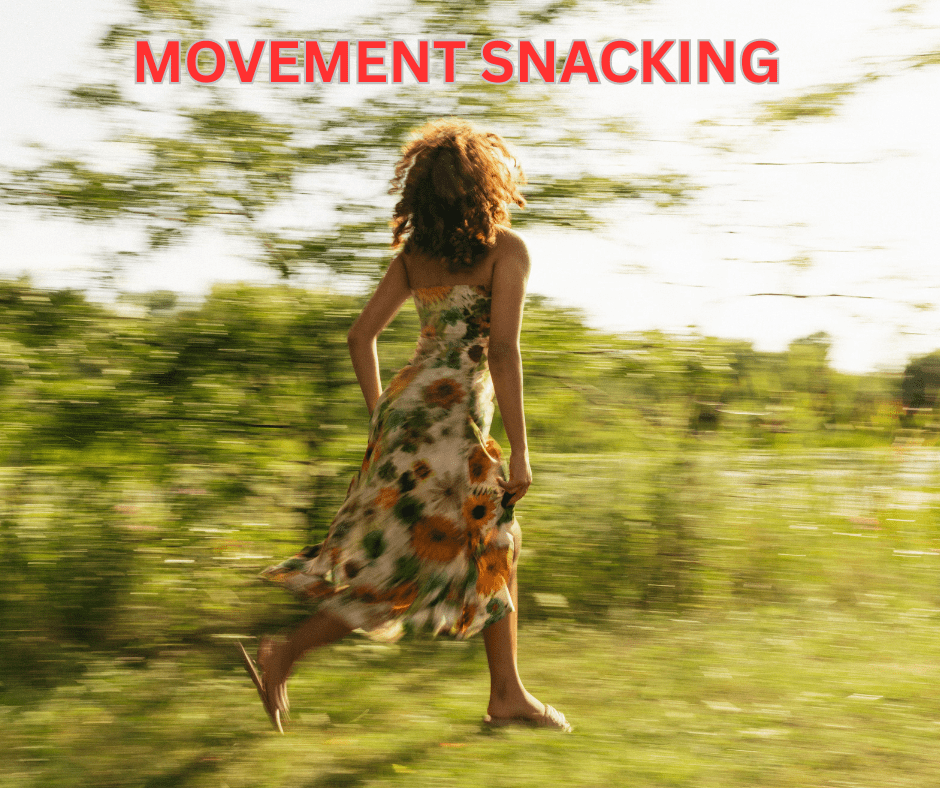
Movement Snacking
Movement snacking is a simple concept that is growing in popularity. It refers to short, frequent bouts of physical activity performed throughout the day. The sessions usually last between 1 and 10 minutes. They are not formal workouts but are intentional bouts of movement or activity added to a sedentary daily routine. Dr. Deryk Harting, a member of one of the highest rated car accident medical doctor care teams in Florida, explains movement snacking.
Many people struggle to meet exercise recommendations because they lack time or energy. Movement snacking reframes physical activity to something that is flexible and achievable. It fits into daily schedules rather than competing with it.
This idea does not replace traditional exercise. However, it offers a realistic supplement, especially for those who spend long hours sitting. Office workers, remote employees, and similar occupations can all benefit.
The human body is designed to move regularly. Prolonged sitting is linked to an increased risk of cardiovascular disease, type 2 diabetes, musculoskeletal pain, and obesity. Even people who exercise daily may be vulnerable to these diseases if they are sedentary for most of the day or follow a poor diet.
Frequent movement and activity help regulate blood sugar levels, reduce stiffness, increase circulation, support joint health, and improve muscle function. Over time, they contribute to better metabolic health. Movement also affects mental performance. Light activity increases blood flow to the brain. This can improve focus and reduce stress. For many people, just a few minutes of movement is enough to reset their attention and mood.
Equally important, movement snacking lowers the mental barrier to exercise. A 5-minute task feels achievable. By requiring less motivation and planning, it increases consistency.
A movement snack can take many forms. It does not require equipment or changing clothes. The goal is to simply break up inactivity. Examples include:
- Walking up and down stairs
- Bodyweight squats or lunges
- Standing calf raises
- Desk pushups
- A brisk walk around the block
- Light stretches or exercises for the hips or shoulders
Intensities can vary. Some movement snacks can be light while others can raise heart rate. Both have benefits but the priority is frequency. Imagine a person who works at a desk from 9 am to 5 pm. They often feel stiff by midday. They intend to exercise after work, but they are tired or hungry and go home instead. Here’s how movement snacking can help:
- At 9:50 am: they stand up and perform 20 bodyweight squats and march in place for 30 seconds. The activity takes about 2 minutes.
- At 11:30 am: they walk the stairs for 5 minutes before lunch.
- At 2:00 pm: they do shoulder rolls, wall pushups, and some light stretching.
- At 4:00 pm: they take a 5-minute walk outside, through the building or campus.
Throughout the day, they accumulate about 15 minutes of movement. No single session feels too demanding or diminishes their productivity. The best strategy is to connect movement to existing habits or schedules: stand and move during phone calls, perform a simple routine after meetings, or set reminders every hour to stretch and change positions. Consistency matters more than variety. In the above scenario, the individual could just walk the stairs or do bodyweight squats and wall pushups at each time interval.
Movement snacking puts more emphasis on consistent, everyday movement. By breaking up long sedentary periods with short activity, it supports both physical and mental health. While it does not replace intense exercise, it strengthens its benefits. In today’s age where prolonged sitting is common, movement snacking offers a practical way to incorporate movement into daily life and boost overall health.
— This article is written by Deryk Harting, DC, one of the members of Chambers Medical Group’s team of car accident chiropractors who offer a variety of treatments and therapies ranging from diagnostic testing to various soft tissue therapies for car accidents and injuries in Florida.