3 Simple Health Goals for the New Year
January 16, 2026
What is Movement Snacking?
January 26, 2026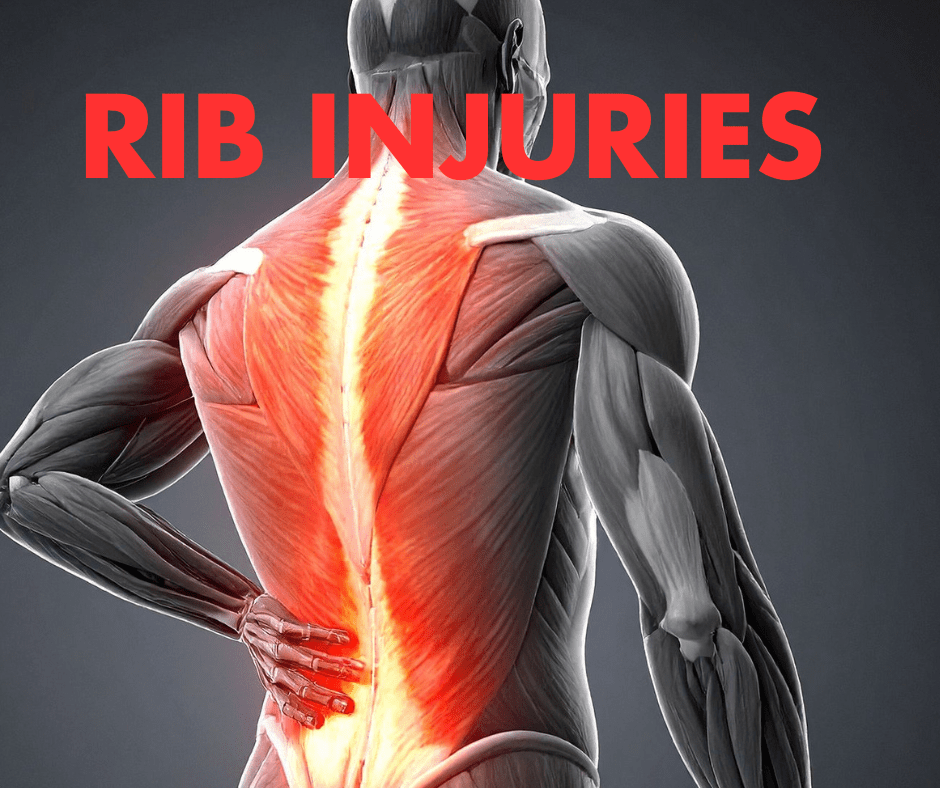
Rib Injuries from Car Accidents
Car accidents frequently cause chest and rib injuries. The rib cage absorbs significant force during rapid deceleration, direct impact, or compression from seat belts. Rib injuries can range from mild to potentially life threatening. Dr. Deryk Harting, a patient favorite at one of the highest rated car accident medical doctor care providers, Chambers Medical Group of Florida, discusses rib injuries from car accidents.
Rib injuries most often occur due to blunt force trauma. Common mechanisms include impact with the steering wheel, door, airbags, or dashboard. Seatbelts are designed to save lives but compress the chest during crashes. Side impact collisions can transmit force directly into the rib cage. Airbags reduce severe trauma but can still contribute to chest wall or rib injury. Even lower speed crashes can cause rib injuries, especially in vulnerable populations such as older adults or those with osteoporosis.
Rib injuries and chest wall strains can present similarly but differ in severity. A muscle strain involves overstretching or tearing of muscles between (intercostal muscles) or over the ribs (abdominals, lats, pectorals, paraspinal muscles etc.). Pain is usually dull or achy. It is often aggravated with movement but improves with rest. Breathing may be uncomfortable but tolerable.
A rib injury causes sharper, localized pain. Pain often increases with deep breathing, coughing, laughing, or twisting. Tenderness is usually precise over the affected rib or ribs. Rib fractures also carry a risk of lung or organ injury. The pain can persist over time or worsen.
Here are some of the most common rib injuries that result from car accidents:
- Bruised Ribs (Contusions)- Rib contusions involve bruising of the bone and surrounding soft tissue without a fracture. Pain is localized and worsens with movement or pressure. These injuries usually heal within several weeks.
- Hairline or Stress Fractures- These are small cracks that can develop from repetitive stress or trauma. Symptoms may be subtle at first, but pain often increases over time. Diagnosis may require advanced imaging to identify the injury site.
- Rib Fractures- A rib fracture is a crack or complete break in the bone. Pain is sharp and often severe. Deep breathing, laughing, and coughing can be difficult and painful. Single fractures are common but still require monitoring.
- Multiple Rib Fractures- Multiple ribs may be broken on one or both sides of the chest. This significantly increases pain and breathing difficulty. The risk of lung injury, pneumonia, and other complications is higher. Recovery is usually longer than a single rib fracture.
- Flail Chest- Flail chest occurs when 3 or more ribs are broken in multiple places. This creates an unstable chest wall segment. Breathing creates abnormal chest wall movement and becomes inefficient and painful. This is a medical emergency and typically requires hospitalization.
- Other Possible Complications- Broken ribs can puncture the lung, causing a pneumothorax (collapsed lung). This leads to chest pain, rapid breathing, and shortness of breath. Lower rib fractures can also cause internal bleeding or injure abdominal organs such as the liver, spleen, or kidneys. These injuries can present with abdominal pain, dizziness, or weakness. These conditions are potentially life threatening and require immediate medical treatment.
Persistent chest or rib pain after an accident should not be assumed to be a simple muscle strain. Diagnosis begins with a physical examination and a detailed history. Medical professionals assess pain location, breathing effort, and chest wall stability. Imaging is often required. Chest X-rays can identify many fractures and lung complications. Small or hairline fractures may not appear on some X-rays. CT scans are more sensitive and are commonly used after car accidents. Ultrasound may also be used in some trauma settings.
Rib pain after a car accident should always be taken seriously. Symptoms can often be minimized, especially if other injuries are present. Early medical evaluation helps identify fractures and rule out serious internal injuries. Obtaining an accurate diagnosis reduces the risk of complications, prolonged pain, delayed healing, and promotes a complete recovery.
— This article is written by Deryk Harting, DC, one of the members of Chambers Medical Group’s team of car accident chiropractors who offer a variety of treatments and therapies ranging from diagnostic testing to various soft tissue therapies for car accidents and injuries in Florida.
— This article is written by Aaron Workman, DC, one of the members of Chambers Medical Group’s team of car accident chiropractors who offer a variety of treatments and therapies ranging from diagnostic testing to various soft tissue therapies for car accidents and injuries in Kentucky