What Is Listeria?
October 28, 2024
What is a Syrinx of the Spinal Cord?
October 28, 2024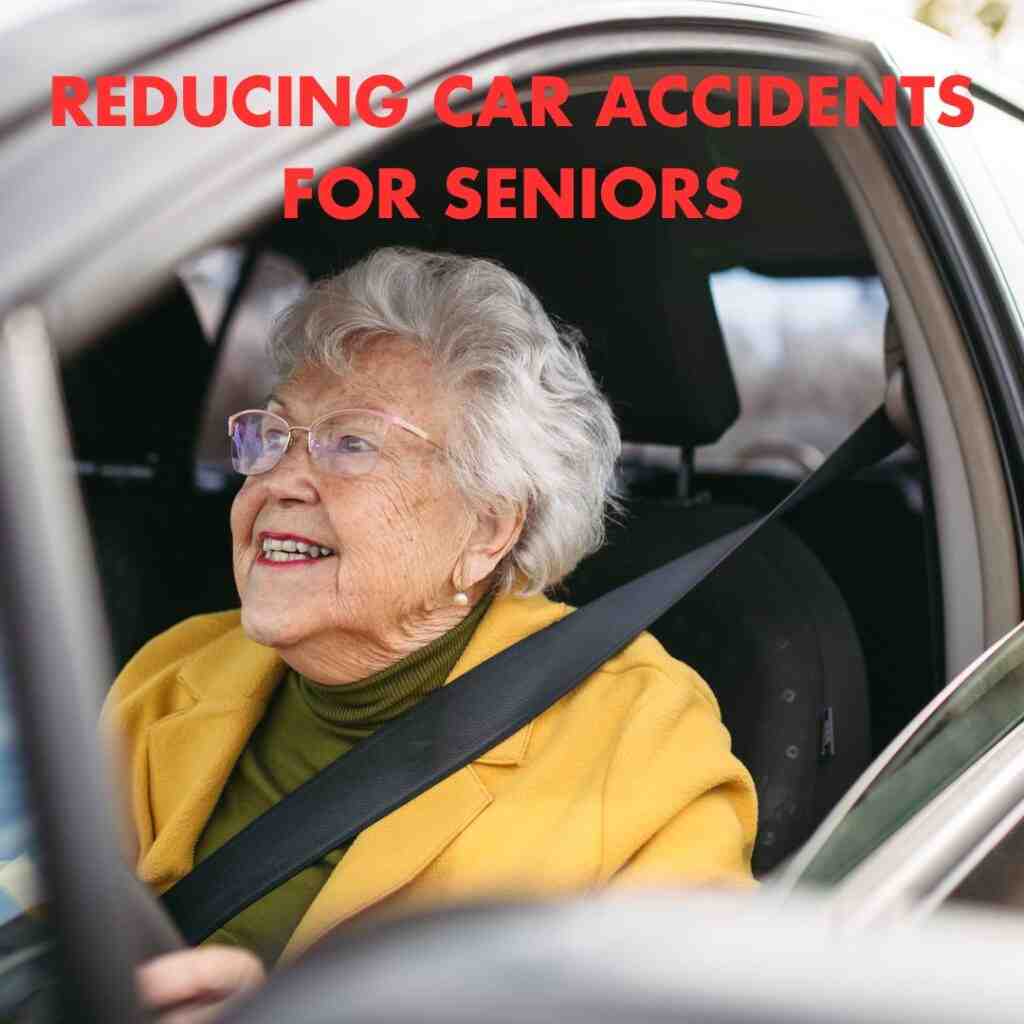
Reducing Car Accidents for Seniors
As we age, our bodies undergo changes that can significantly impact our safety, particularly when it comes to driving. While driving remains an essential part of life for many seniors, the risk of injury or fatality in a car accident increases with age. Dr. Deryk Harting, a member of one of the highest rated car accident medical care programs in Florida, discusses car accidents and seniors.
One of the main reasons seniors are more vulnerable in car accidents is due to physiological changes that occur with aging. These changes include decreased bone density, reduced muscle mass, and diminished flexibility. As a result, older adults are more susceptible to severe injuries such as fractures, head trauma, spinal injuries, and internal injuries. Even minor accidents that might leave younger individuals with just a bruise can lead to significant problems for older adults.
Additionally, seniors often face cognitive challenges that can affect their driving. Conditions such as dementia, Alzheimer’s, and other age-related cognitive impairments can diminish reaction times and decision-making skills. This cognitive decline may prevent them from correctly assessing road conditions or responding appropriately to hazards, which increases the risk of an accident.
When seniors are involved in car accidents, they often experience certain types of injuries:
- Fractures: Due to their weaker bones, seniors are particularly susceptible to fractures in the hip, wrist, and spine. These injuries can be debilitating and may require extensive rehabilitation that significantly impacts their quality of life.
- Traumatic Brain Injuries (TBI): Older adults are at an increased risk for TBIs– especially if airbags deploy, they are not wearing seatbelts or are ejected from the vehicle during a collision. Even a seemingly minor head injury can have serious implications and possibly long-term health issues.
- Soft Tissue Injuries: Strains, sprains, and other soft tissue injuries can occur in car accidents. These injuries may not be immediately apparent, but they might lead to chronic pain and reduced mobility over time.
- Internal Injuries: The force of a collision can cause life threatening internal bleeding or damage to organs, especially in older adults who may already be compromised by pre-existing health conditions.
Given these risks, it is important for seniors and their families to take proactive steps to enhance safety while driving. Here are several actions that can help:
- Regular Medical Check-ups: Maintaining regular visits to healthcare providers can help monitor and manage age-related health issues. This includes assessing vision, hearing, and cognitive function which are all crucial elements of safe driving.
- Driving Assessments: Some organizations offer driving assessments specifically for seniors. These evaluations can provide insight into a senior’s driving abilities and highlight areas for improvement.
- Utilizing Technology: Modern vehicles come equipped with advanced safety features such as blind-spot detection, lane assistance, and automatic braking. These technologies help reduce the risk of accidents.
- Staying Active: Engaging in regular physical activity improves strength, flexibility, and coordination, which transfers over to safe driving. Also, exercises focused on balance and coordination can improve cognitive skills and mental agility.
- Choosing Drive Times: Seniors should consider avoiding peak traffic hours or in adverse weather conditions when visibility is low. Planning routes in advance can also help minimize risk.
- Communication: Families should maintain open lines of communication regarding driving safety. If a senior’s driving becomes a concern, discussing alternatives like public transportation or rideshare services can be beneficial.
While driving is a vital aspect of independence for many senior citizens, it is crucial to recognize the increased risks associated with car accidents. Awareness, education, and proactive health management can significantly reduce the likelihood of accidents and injuries of our aging population.
— This article is written by Deryk Harting, DC, one of the members of Chambers Medical Group’s team of car accident chiropractors who offer a variety of treatments and therapies ranging from diagnostic testing to various soft tissue therapies for car accidents and injuries in Florida.
- Car Accident Medical Clinic in Tampa
- Car Accident Medical Clinic in Plant City
- Car Accident Medical Clinic in Brandon
- Car Accident Medical Clinic in Lakeland
- Car Accident Medical Clinic in Sarasota
- Car Accident Medical Clinic in Louisville
- Car Accident Medical Clinic in Lexington
- Car Accident Medical Clinic in Florence