Strength Training and Longevity
July 4, 2026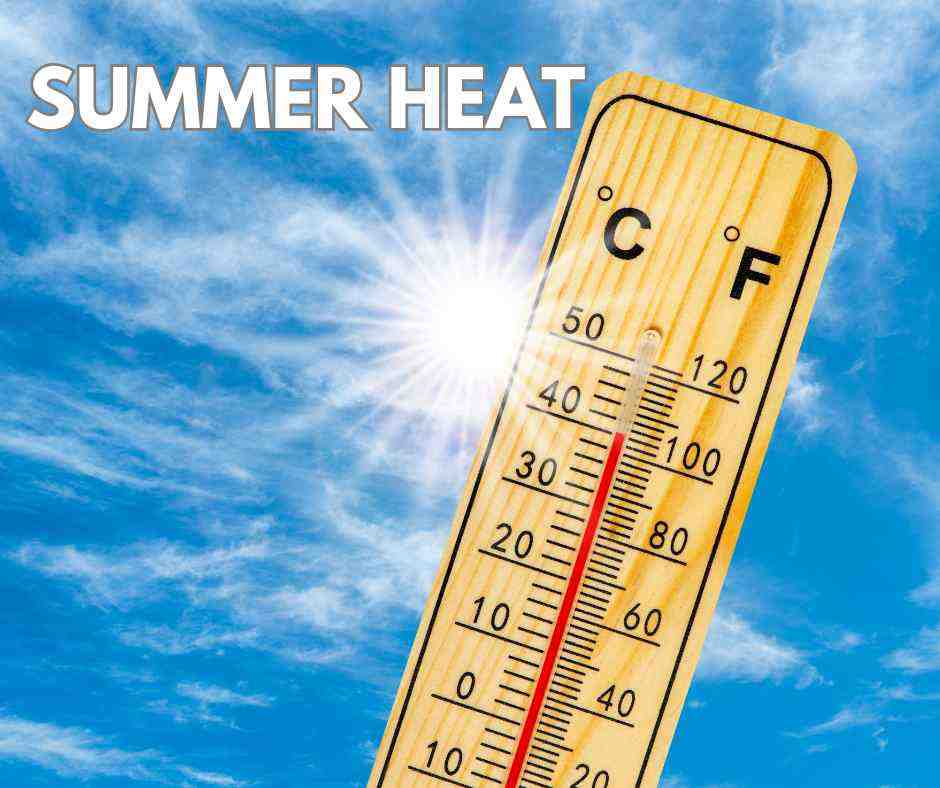
How Florida’s Summer Heat Can Affect the Body
Summer in Florida is unlike almost anywhere in the United States. High temperatures combined with intense humidity create conditions that can overwhelm the body’s ability to cool itself. Whether you are working outdoors, exercising, at the beach, or running errands, Florida’s summer climate can quickly lead to dehydration and heat-related illness. It often begins with mild dehydration and heat cramps, which can progress to heat exhaustion. Without intervention, the body can completely lose its ability to regulate temperature, resulting in heat stroke- a life-threatening medical emergency. But what is happening inside the body? Dr. Deryk Harting of Chambers Medical Group, one of the highest rated car accident medical doctor care teams in Florida, discusses how Florida’s summer heat can affect the body.
The human body maintains a stable internal temperature of approximately 98.6 degrees. During physical activity and exposure to high temperatures, muscles generate heat and the body’s core temperature begins to rise. To prevent overheating, the brain initiates several cooling mechanisms, the most important being sweating or perspiration.
Sweat is produced by glands in the skin and consists mostly of water along with electrolytes like sodium, potassium, and chloride. As sweat evaporates, it removes heat from the skin and cools the body. However, Florida’s high humidity makes evaporation less efficient. Instead of evaporating quickly, sweat remains on the skin or drips away, allowing the body to lose large amounts of water without lowering body temperature.
As dehydration develops, the amount of fluid in the bloodstream begins to decrease. This reduces blood volume, forcing the heart to work harder to deliver oxygen and nutrients to the body. Heart rate increases while blood pressure can begin to fall. At the same time, less blood reaches the skin, making it more difficult to release heat.
The loss of electrolytes also diminishes normal muscle and nerve function. This can lead to muscle cramps, weakness, fatigue, headaches, dizziness, and reduced physical performance. As dehydration increases, the brain becomes affected. Concentration diminishes, judgment becomes impaired, and confusion can develop. Eventually, the body’s ability to regulate temperature can fail completely, allowing core temperature to rise dangerously. Heat stroke can damage the brain, heart, kidneys, and other vital organs in a short period of time and can be fatal without immediate medical care.
Fortunately, most cases of dehydration and heat related illness are preventable. Staying ahead of fluid loss is more effective than trying to catch up after symptoms appear. Drink water consistently throughout the day rather than waiting until you feel thirsty, as thirst is often a late indicator of dehydration. During prolonged outdoor exposure or exercise, replace both water and electrolytes. Schedule strenuous activities during the cooler morning or evening hours. Take frequent breaks in the shade or in air conditioning, and pay attention to warning signs such as fatigue, dizziness, nausea, muscle cramps, or unusually dark urine.
Florida’s summer heat demands attention. Understanding the early signs of dehydration and taking simple preventive measures can reduce the risk of heat related illness and help you stay safe throughout the season.
— This article is written by Deryk Harting, DC, one of the members of Chambers Medical Group’s team of car accident chiropractors who offer a variety of treatments and therapies ranging from diagnostic testing to various soft tissue therapies for car accidents and injuries in Florida.